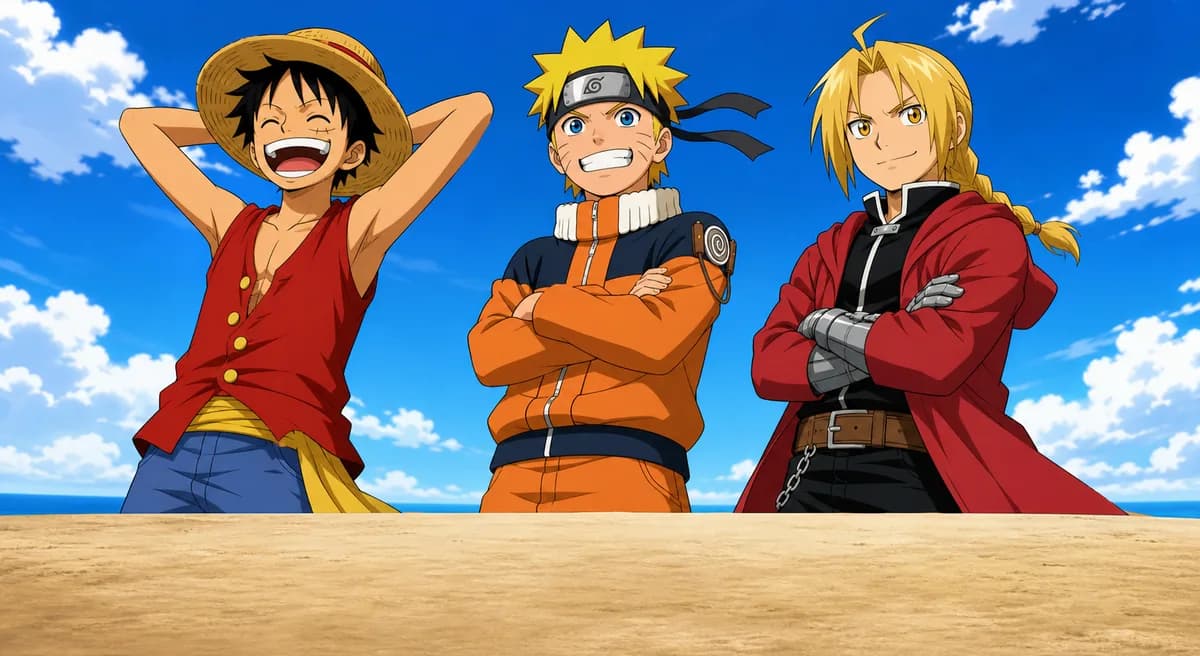
Shonen is a publishing demographic, not a genre. The label originally described manga aimed at teenage boys, which is why it can cover a pirate epic as easily as a comedy about students trying to assassinate their homeroom teacher. Any ranking this broad needs standards it can defend. We care about whether a power system keeps its rules when the plot tightens, whether a fight carries weight beyond deciding who hits harder, and whether the story eventually delivers a proper ending instead of coasting forever on momentum. That final standard has a heavy influence on the order. A focused series that completes its ideas ranks above a grander one that loses control of them. We also left out shows whose stories are still largely setup, even when their openings are brilliant, because they have not had to pay off their promises yet. The seinen titles often filed under shonen simply because they include fights are excluded too. Every show below has enough material to support a fair judgment. The order is open to argument, as any ranking should be, but none of these eleven earned a place by default, including the titles near the bottom.
- 01
First place is not a close call. Alchemy is governed by a stated law, and the story never breaks that law simply to save a character. The antagonists are carrying out a scheme that began long before the heroes noticed it. Broad comedy can give way to real horror without the series losing control of its tone. Then it provides a full, deliberate ending that answers the questions it raised. Every show below is measured against that complete performance.
Where to Watch → - 02
One Piece
8.7Second place reflects the sheer scale of the achievement. No other entry has constructed a world this vast while holding so firmly to its emotional center. Again and again, a crew of misfits reaches an island, finds a system of oppression, and enters a fight that matters deeply to the people living there. Foreshadowing pays off after staggering stretches of time. There is a serious cost to watching it, however. The early run is uneven, the pace can become glacial, and starting the series means making a decision about the next few years of your life.
Where to Watch → - 03
Third goes to a series that deliberately breaks the format's central promise. It introduces a hero bent on revenge, then keeps examining that desire until it curdles. Righteous determination is never allowed to guarantee victory. As the story grows, the moral problem escalates rather than the characters' power levels. Watching it can be punishing. The later stretches are bleak and talky, and the writing refuses to let anyone remain clean. It is impossible to ignore, but it is the wrong introduction for a newcomer.
Where to Watch → - 04
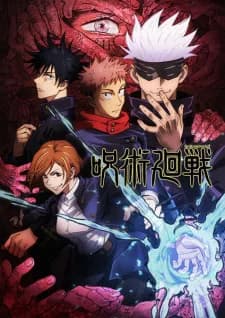
Among modern entries, this is the most technically accomplished. Cursed energy follows an internal economy built around binding vows, stated conditions, and tradeoffs with actual consequences. A fight therefore reads like an argument between competing rules instead of a simple exchange of blows. The animation presents those ideas with a clarity that most of the genre never reaches, and the story is genuinely prepared to lose people. It ranks below the top three because the pace sags between major showcases, while explanations of the rules too often arrive in the middle of combat.
Where to Watch → - 05
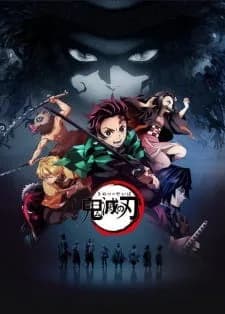
Demon Slayer
8.3Its place here is based unapologetically on craft rather than writing. The plot moves in a straight line, and its hero is uncomplicatedly good. Yet the visual execution stands so far beyond the usual standard that it changed what audiences expect an anime fight to look like. The series also has a clear emotional grammar: even its monsters were once people, and their lost humanity still matters. Anyone looking for moral complexity may find it slight. Anyone who wants to be floored by sheer execution will have trouble beating it.
Where to Watch → - 06
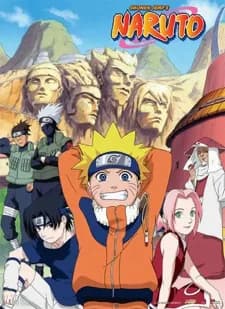
Naruto
8.0A whole generation treated this as a foundational text. Its rank reflects that influence and the excellence of its highest points, not steady quality from beginning to end. The village's ugly history gives its conflicts real weight. So does the loneliness of a child feared by everyone around him, along with the pain of a friend who keeps walking away. That material belongs beside the best work in the format. The low points bring padding and repetition, sometimes leaving the story stuck for long stretches. It is formative, openly flawed, and impossible to omit from an honest ranking.
Where to Watch → - 07
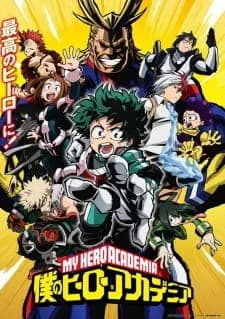
This is the strongest modern attempt to ask what a hero story is actually for. Superpowers enter a school setting, but the sharper concern lies underneath: who receives the title of hero, who gets to decide, and what does the job cost the person performing it? Even the villains have grievances that can be understood instead of serving as decoration. The show's sincerity is absolute, which some viewers find corny. Its growing sprawl is a genuine weakness as well, especially when another arc begins to take the shape of a tournament.
Where to Watch → - 08
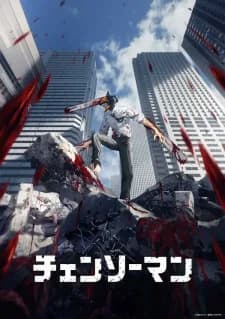
Chainsaw Man
8.3This one refuses the usual bargain between a shonen hero and his audience. Its protagonist has no ambition to become the strongest. He wants food and a bed, and he wants another human being to touch him. His employers, meanwhile, regard him as equipment, a fact the story presents with brutal clarity. The result is funny and grotesque, with a level of cinematic ambition rarely given to this format. It sits here only because it is still early in developing its argument. Even so, what it has already said sounds unlike anything ranked above it.
Where to Watch → - 09
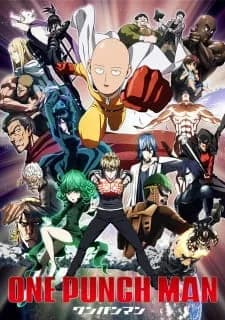
Here is a critique of the format made from inside it. By removing the possibility that its hero might lose, the series takes away the engine that normally drives this kind of story. What remains is a very funny study of boredom, ego, and the industry built around heroism. During its strongest stretches, the animation shows off so extravagantly that the excess becomes part of the joke. The premise cannot create the same long term investment as the epics above it, but that limitation is an intentional trade.
Where to Watch → - 10
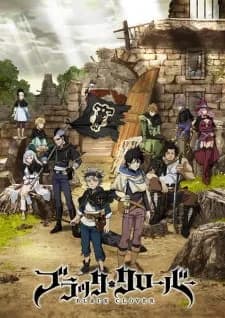
Black Clover
7.9Call it the honest grinder. It embraces one of the oldest premises available: a powerless kid has an impossible goal and pursues it at maximum volume. Then the series puts in the unglamorous work required to pay that setup off across a very long run. The beginning is genuinely rough, but the show improves steadily. None of its ideas are innovative. Its underdog victories still hit hard because viewers have spent hours watching those victories being earned, which helps explain why even its loudest detractors keep watching.
Where to Watch → - 11
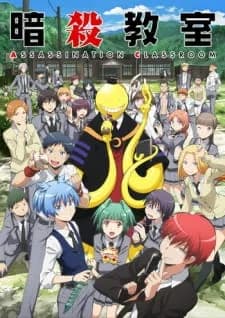
The sleeper at the bottom is also the show most likely to be missed by anyone who reads only the top of a ranking. A class of underachievers, already written off by the adults around them, receives an assignment to assassinate its own teacher. The absurd complication is that he is also the best teacher any of them will ever have. From that premise comes a genuinely moving account of what adult dismissal does to a child. Its structure is slighter than every series above it, yet it remains the entry capable of making people cry during a maths lesson.
Where to Watch →
FAQ
Shonen identifies the intended readership of the magazine in which a comic appeared, broadly teenage boys. It does not define the story's subject or tone. The same label can therefore apply to a gentle comedy and an extremely violent war story. Treat it as a fact about publishing rather than a reliable preview of what a series will feel like.