Isekai takes up one of the most crowded shelves in anime, which makes a list like this useful. With so many similar series around, it is easy to write off the genre as the same weak story repeated endlessly. These picks show how wrong that assumption can be. One turns a fantasy setup into psychological horror. Another treats nation building like a simulation, while a much quieter series follows the work required to make paper. There is also a comedy devoted to making fun of the conventions surrounding it. The connecting idea here is range. We chose series that would remain interesting even if the transported-to-another-world hook disappeared, and left out the broad middle where that hook has to carry the entire show. This is not a countdown toward one winner. The order moves through different moods and different uses of the premise, so follow whichever description sounds most likely to cause your preferred kind of trouble. Some entries also represent a larger franchise.
- 01
Re:Zero
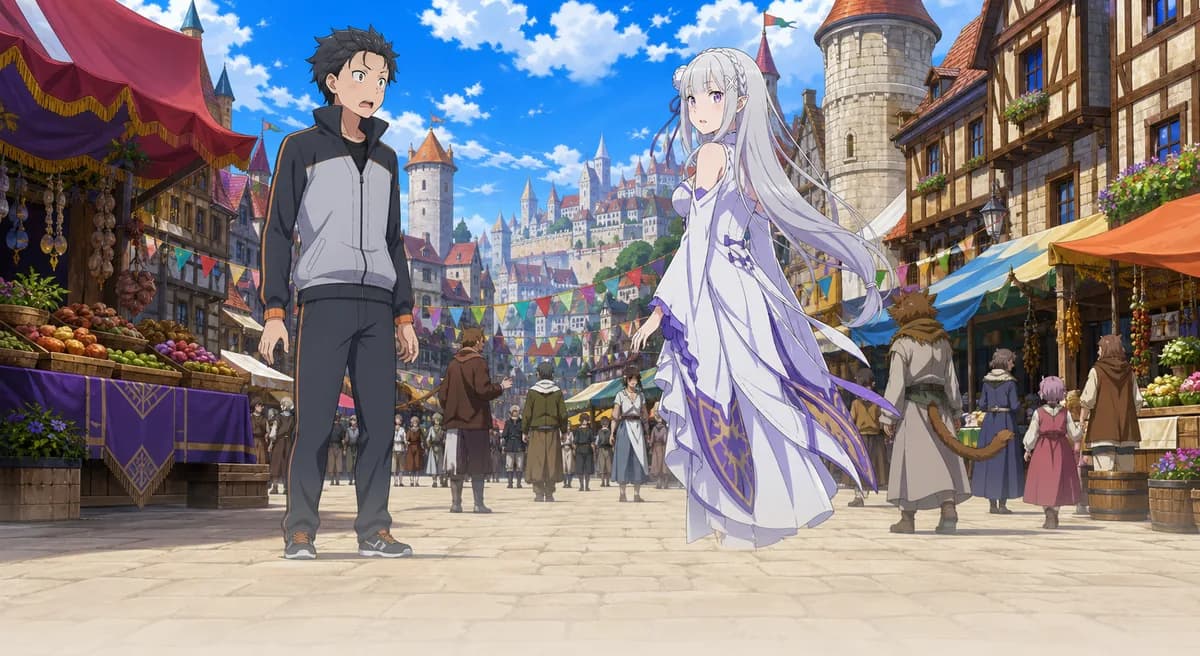
8.1Re:Zero proved that isekai could hurt. Subaru expects a power fantasy when he arrives, only to find himself trapped in a grinding cycle of failure. The writing lets him become insufferable before giving you a reason to root for him. It opens this list because the premise itself becomes a weapon: his apparent escape hatch is actually his punishment. Viewers looking for a comfortable adventure should pass, since the first stretch is unpleasant by design.
Where to Watch → - 02
Purists have a reasonable objection to calling this isekai. Its gates open into our world instead of sending the hero elsewhere, but its perfected leveling-system fantasy runs on the same engine. The appeal is momentum, delivered through a sleek and ruthlessly paced climb from nobody to apex predator. Even the animation feels like a weapon. Watch for the rush rather than any deep interior life; most of the supporting cast is there to be outclassed.
Where to Watch → - 03
By the third act, Mushoku Tensei has moved past the simple idea of a wasted man receiving a second chance. Now it asks whether he deserves to be trusted with that chance. Its world building takes time with languages and borders, then gives family obligation equal attention. The animation treats a quiet dinner as carefully as a duel. Craft earns it a place here, though the protagonist's lechery remains a genuine barrier rather than an eccentric quirk. It is still the genre's hardest sell.
Where to Watch → - 04
Rimuru has not been an underdog for a long time, and the series improves once it openly accepts that fact. This is a governance fantasy where treaties and supply lines matter. Subordinates pursue ambitions of their own, while battles become another form of foreign policy. Few isekai find genuine tension in administration, which secures its place on a list built around the genre's range. Anyone who needs a protagonist with a plausible chance of losing should look elsewhere. The pleasure comes from watching competence at work.
Where to Watch → - 05
A man who reached the summit in one life is given another, raising a question that most isekai never consider. What do you do after your ambition has already run its course? Its webtoon origins are visible in clean action beats framed like posters, and in arcs that conclude before wearing out their welcome. This is the comfort-food side of the genre handled with conviction, which is why it makes the cut. Its animation cannot compete with the heavyweights surrounding it, so set expectations accordingly.
Where to Watch → - 06
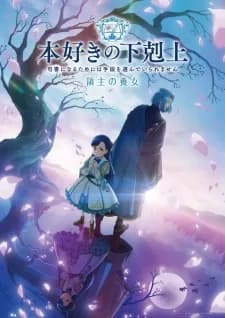
Nothing else here is quieter, and the right viewer may find it the best of the lot. Myne wants books in a world where paper is barely available, turning research and manufacture into the plot itself. Around that work sits genuinely thorny politics concerning who gets permission to know things. Its presence proves that an isekai premise can support a story with almost no combat. The pace is stubbornly deliberate, which will either be exactly what draws you in or the reason you stop watching.
Where to Watch → - 07
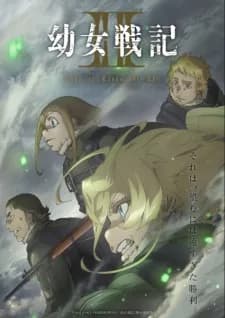
Imagine isekai taught as a war-college seminar by a salaryman reborn as a small blonde officer who holds a personal grudge against God. The approach is chilly and tactical. Doctrine matters, logistics shape decisions, and Tanya brings the awful competence of someone determined to optimise a front line. No other series in the genre works this hard at being deliberately unlikeable, so it earns a distinct place here. Viewers who want a heroine to admire instead of one to study will get no cooperation from Tanya.
Where to Watch → - 08
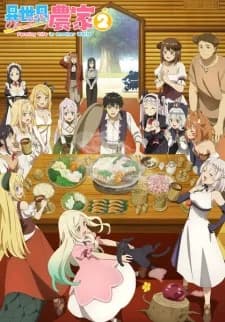
This sits at the opposite pole from everything before it. There is a farm with good soil, followed by a slowly expanding village where dragons and elves mostly want dinner. No antagonist worth naming ever arrives. Its place here comes from showing that isekai can discard conflict altogether and still keep an audience. It works best when you are tired and take it one episode at a time. If you rely on a plot to pull you forward, you will be climbing the walls by the third week.
Where to Watch → - 09
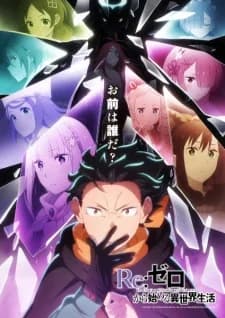
In the later seasons, the loop quits functioning as a gimmick and begins collecting old debts. Promises return, past cruelties matter, and characters the story told you not to worry about demand attention. This entry stands apart from the first season because it has become a genuinely different show, with a larger scale and less interest in quick explanations. It trusts that viewers remember. The destination is wonderful, but it is useless as a starting point. Complete the climb first, because no available shortcut is worth taking.
Where to Watch → - 10
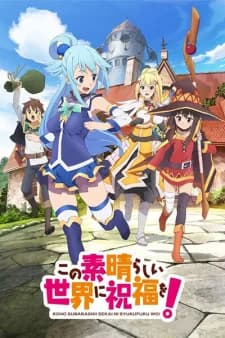
KonoSuba
7.9KonoSuba turns every convention that the other entries take seriously into a joke. Its goddess is useless and its party is broke. The hero's smartest tactic is often to run away. Scrappy, rubber-faced animation is part of the design, since the series is funniest when it appears ready to fall apart. It keeps a permanent place as the genre's self-aware conscience. Its humour is crude and happy to be cruel to its own cast, so nobody should mistake this for dignified fantasy.
Where to Watch → - 11
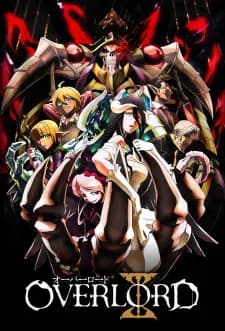
Overlord
7.7Overlord asks you to root for the wrong side. Ainz is an overwhelmingly powerful undead lord whose fanatical followers interpret every panicked improvisation as evidence of genius. His attempt to bluff his way through godhood generates both the comedy and the dread. By reversing the protagonist's moral position without smoothing over the consequences, the show earns its spot. Be prepared for long detours with side characters you never requested, along with battles where the CG is plainly visible.
Where to Watch → - 12
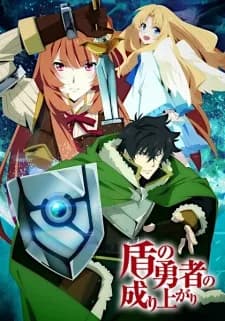
This is isekai at its angriest. Naofumi is summoned, framed, and quickly stripped of everything. Pure resentment drives the early run, making it uncomfortable but propulsive viewing. No other major isekai begins with humiliation and builds so much of its emotional register outward from that feeling. The opening arc is intentionally miserable. Its treatment of the slave-collar premise has also prompted arguments for years, so go in knowing exactly what sort of material awaits you.
Where to Watch → - 13
No Game No Life is the most stylish entry here, set in a neon-saturated world where games settle every conflict. Two shut-in siblings arrive and prove to be exactly the wrong opponents to invite into a fair contest. Much of the pleasure comes from seeing a con succeed three moves after you failed to notice it. The list closes with isekai's great showman. A serious warning belongs beside the recommendation: fanservice involving the younger sibling has aged badly, and the story ends far short of a conclusion.
Where to Watch →



FAQ
A great isekai establishes rules for its new world and makes the protagonist live with them. A setting built only to dispense rewards can still produce pleasant comfort viewing, but it is usually easy to forget. When the world resists what the protagonist wants, the resulting story can stand even without the isekai setup.