Sometimes you put on a sad anime because you want the safety of being wrecked by a story. Anime is remarkably good at providing that release, but sadness does not always arrive in the same form. One show may charm you for an hour before springing the painful part. Another may let affection build so gradually that an ordinary farewell feels like a death. Some dwell on time passing; others bring out the warmer tears that come when a lonely person is finally shown kindness. This list makes room for each of those reactions because no tearjerker works on everyone. The order starts with gentler stories that can catch you off guard, then moves toward shows built with heartbreak in mind. None of these picks treats suffering as a substitute for character. They earn the reaction by giving you someone worth caring about before anything goes wrong. Keep tissues nearby, and consider watching alone if you would rather nobody see how thoroughly an animated story can undo you.
- 01
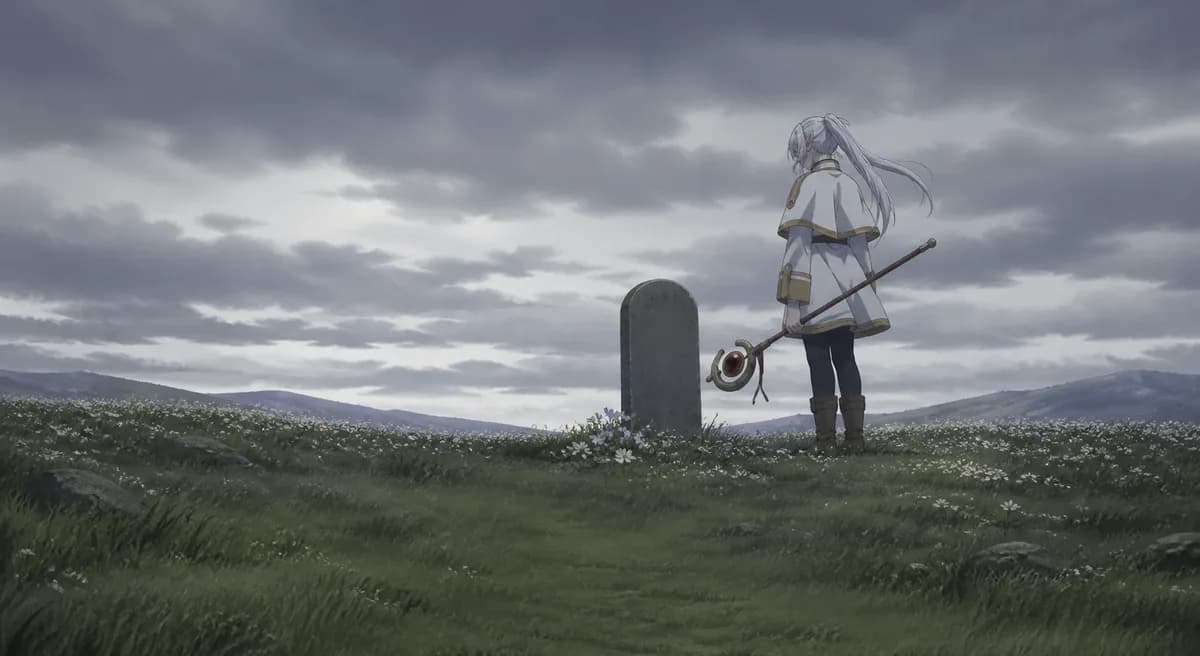
Frieren pulls the cruelest trick on this list without ever raising its voice. An elf barely noticed her human companions while they were alive, then spends her very long life understanding what she missed. The realization comes in tiny increments, perhaps through a remembered habit or a grave she visits. Sometimes it is a phrase whose meaning reaches her years too late. Instead of sobbing, you may find yourself stuck with a lump in your throat over an apparently trivial detail, followed by a long silence. Viewers who need constant plot momentum may struggle with its pace.
Where to Watch → - 02
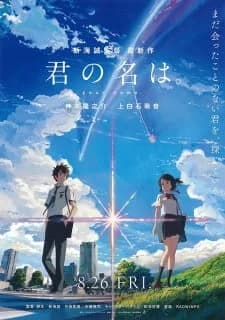
Your Name
8.6This is the beautiful sort of cry, carried in by a swelling score and light through a window rather than pure despair. Two teenagers keep coming close to reaching each other across a gap neither fully understands. The film grasps the peculiar pain of losing the shape of a person while the ache they left behind remains. Its images are gorgeous enough to make the tears feel almost pleasurable. Choose it when you want to be deeply moved without feeling gutted afterward.
Where to Watch → - 03
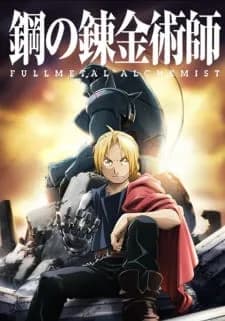
Fullmetal Alchemist: Brotherhood gets its tears from all the time you have served alongside its cast. For most of its run, it is a funny and propulsive adventure. After so many hours in the characters' company, the moments that demand payment hit with unusual force. Cost drives the whole story, with a price attached to every gain, and one early episode has quietly been ruining viewers for years. Most of the journey is genuinely enjoyable, which gives the sorrow even sharper edges when it arrives.
Where to Watch → - 04
Vinland Saga
8.7Guilt produces the tears in Vinland Saga, and that feeling is harder to shake than straightforward grief. What begins as brutal Viking spectacle eventually asks its protagonist to sit among the consequences of his actions and attempt to become somebody else. Few revenge stories are willing to force this kind of reckoning. You are mourning the years he can never return, rather than a character who died. The middle is bleak and deliberately slow because change takes time here. Bring some patience, since the story refuses to make redemption quick or comfortable.
Where to Watch → - 05
Steins;Gate
8.9Repetition is what makes Steins;Gate devastating. It starts as a goofy, over-caffeinated hangout about lab experiments, then slowly traps a man in the need to try again while knowing exactly what every failure costs. By then, crying feels exhausted rather than pretty. The opening stretch truly is slow, and many viewers quit before the story turns. That required patience is the price of entry. Paying it lets the later episodes hit with all the accumulated strain behind them.
Where to Watch → - 06
Oshi no Ko
8.4Anger sits underneath the grief in [Oshi no Ko]. Behind idol glitter and television production, it finds genuine cruelty in an industry that consumes young people while calling the process opportunity. The resulting sorrow curdles into rage. For a while the show is stylish, gossipy and difficult to stop watching; then its mood changes with startling speed. Anyone seeking a clean sentimental release has come through the wrong door. This story means to leave you unsettled, not soothed.
Where to Watch → - 07
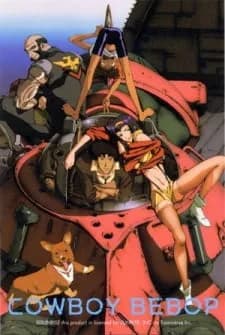
Cowboy Bebop
8.6Cowboy Bebop belongs here precisely because nobody would call it a conventional tearjerker. Its surface is a cool, funny bounty-hunter show soaked in jazz, while its four central people keep failing to outrun what they left behind. Sadness gathers in the quiet at the end of an episode instead of arriving through a grand speech. You can feel completely fine until, very suddenly, you do not. It works best for viewers who respond to loneliness and prefer a story that never announces what they should feel.
Where to Watch → - 08
One Piece
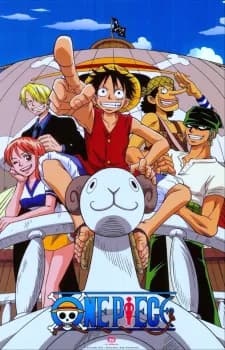
8.7Few people expect One Piece to become one of their most reliable sources of tears. An arc gives you enough time to love a place and the people trapped there, then shows you exactly what was done to them. The series repeats that method without wearing out its effect. It also supplies happy tears, a reaction almost nothing else on this list offers. Scale is the obvious catch: starting One Piece means making a commitment closer to a life than a weekend.
Where to Watch → - 09
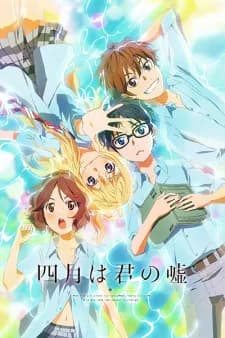
Shigatsu wa Kimi no Uso was made for a list like this, and it has no embarrassment about aiming directly for tears. A pianist who cannot hear himself play meets a violinist who refuses to indulge his excuses and pulls him back toward music. Blown-out color and long silences frame the journey. The destination becomes fairly clear early on. Some viewers call that manipulative, while others find the anticipation unbearable in exactly the way they wanted. For beautiful heartbreak set to music, this is the obvious choice.
Where to Watch → - 10
Clannad
7.7Clannad is the original benchmark people still use to measure the other great tearjerkers. Its first half looks like an unassuming, occasionally goofy school comedy, complete with a slightly dated appearance. That long setup gives you time to assume the show has revealed its full hand. It has not. What follows turns toward ordinary domestic life and the exhaustion bound up with love, going places most anime avoid. Push through the beginning. Among people who finish it, there is very little argument about whether the emotional work pays off.
Where to Watch → - 11
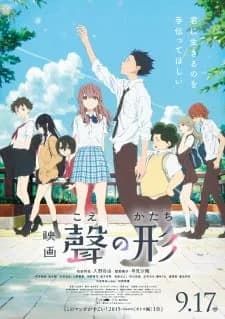
Koe no Katachi is the list's most uncomfortable study of guilt and forgiveness. Its central boy was cruel as a child and now has to live inside the person he used to be. The film neither excuses him easily nor lets his self-pity become a performance. Its tears come from an ugly flash of recognition: the familiarity of having once been someone you would rather disown. Bullying and self-harm are handled frankly, so choose the right moment to watch it.
Where to Watch → - 12
Violet Evergarden may be the most efficient tearjerker here by design. A former soldier writes letters for other people, and each stop places her inside a self-contained grief for about twenty minutes. The series can wreck you with someone introduced only moments before because its extraordinary animation supports a painful idea about what words are actually for. That structure also creates sharp emotional shifts from episode to episode. If those repeated swings sound tiring instead of inviting, its method may leave you cold.
Where to Watch → - 13
The final spot goes to the warmest cry on the list, and it was placed there deliberately. In Fruits Basket 1st Season, a relentlessly kind girl moves in with a family burdened by an inherited curse. Disaster is not what opens the floodgates. The hardest scenes involve people receiving gentle treatment for the first time in their lives, which can be much tougher to watch than tragedy. The series begins light and sweet, so allow it a few episodes. Pick this when you hope to finish feeling better rather than worse.
Where to Watch →







FAQ
Fiction offers grief with a safe boundary around it, so you can feel the catharsis without living through the consequences. Animation can also lower the self-conscious resistance that live action sometimes creates. A drawn face can hold an exposed emotion for longer than a real one, and your guard may be down before you notice.