Deep Dives
Editorials, essays and analysis.
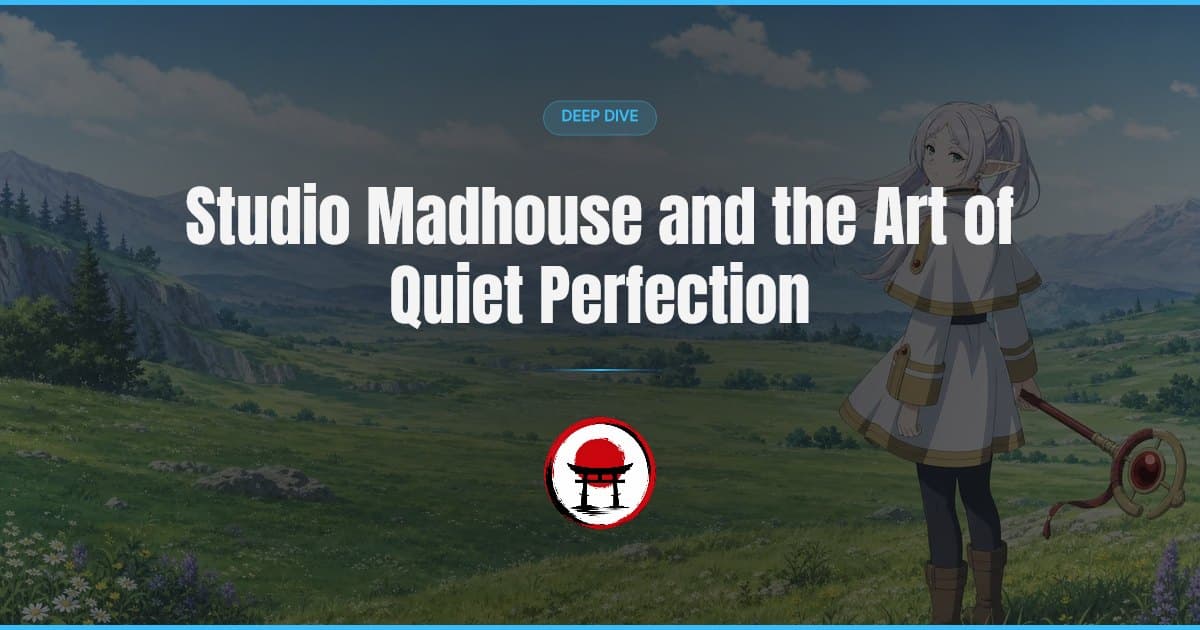
Studio Madhouse and the Art of Quiet Perfection
Madhouse has no recognisable house style. Its greatness comes from how it works, not how its anime look, and the credits for Frieren show that method in action.

The Anime Romcom Renaissance
Modern anime romcoms improved when they stopped protecting their premises from change. Too Many Losing Heroines follows that idea all the way to its natural conclusion.

Why Studio Bones Keeps Winning
Bones never built its reputation on a house style. It bet on drawn motion and the animators behind it, and Gachiakuta's credits show that the bet still pays off.

How Akira and Ghost in the Shell Built Cyberpunk
Cyberpunk began in novels, but Akira and Ghost in the Shell taught filmmakers how it should move, look and feel. Nearly every neon-lit descendant still speaks their visual language.

Isao Takahata, Studio Ghibli's Quiet Genius
Miyazaki supplied Ghibli's most famous images. Takahata gave the studio its range, then used his final film to show how an unfinished line could carry greater feeling than a polished one.

The Makoto Shinkai Effect: How One Director Rewired Anime Romance
Shinkai's defining innovation was not his light or lens flare. He made distance the antagonist, and anime romance has kept returning to that idea ever since.

Satoshi Kon: Anime's Great Mind-Bender
Kon blurred reality through some of the most disciplined editing in animation. Paprika shows exactly how he did it.
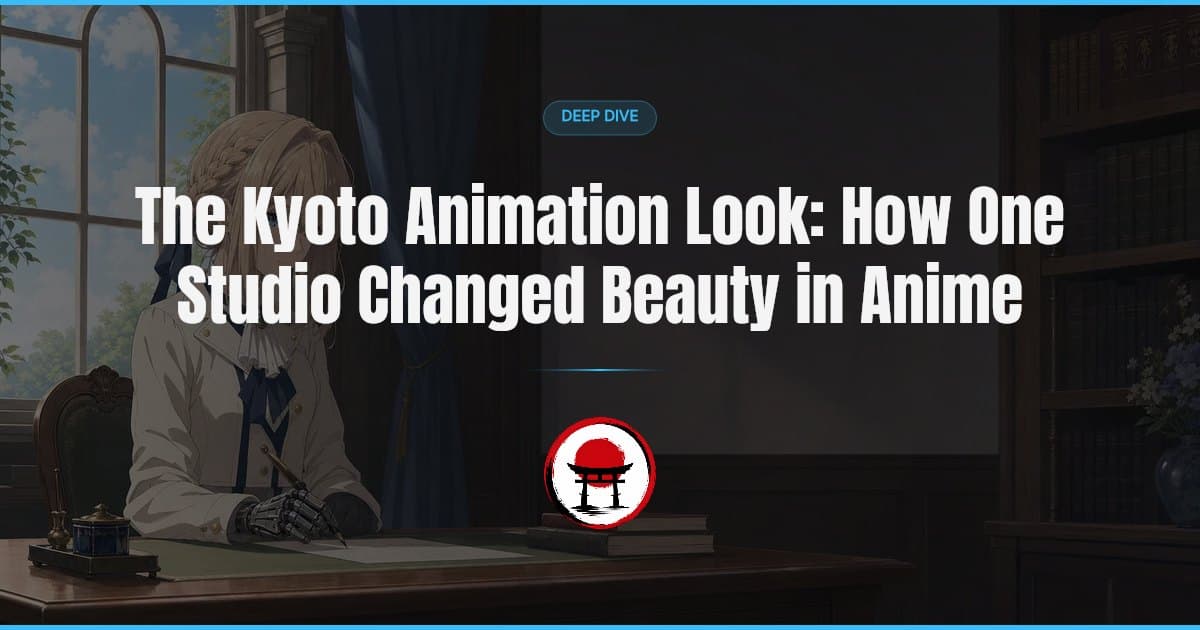
The Kyoto Animation Look: How One Studio Changed Beauty in Anime
KyoAni's real innovation was not a matter of prettier pictures. It spent a blockbuster's animation budget on the way people sit, hesitate, and look at each other.
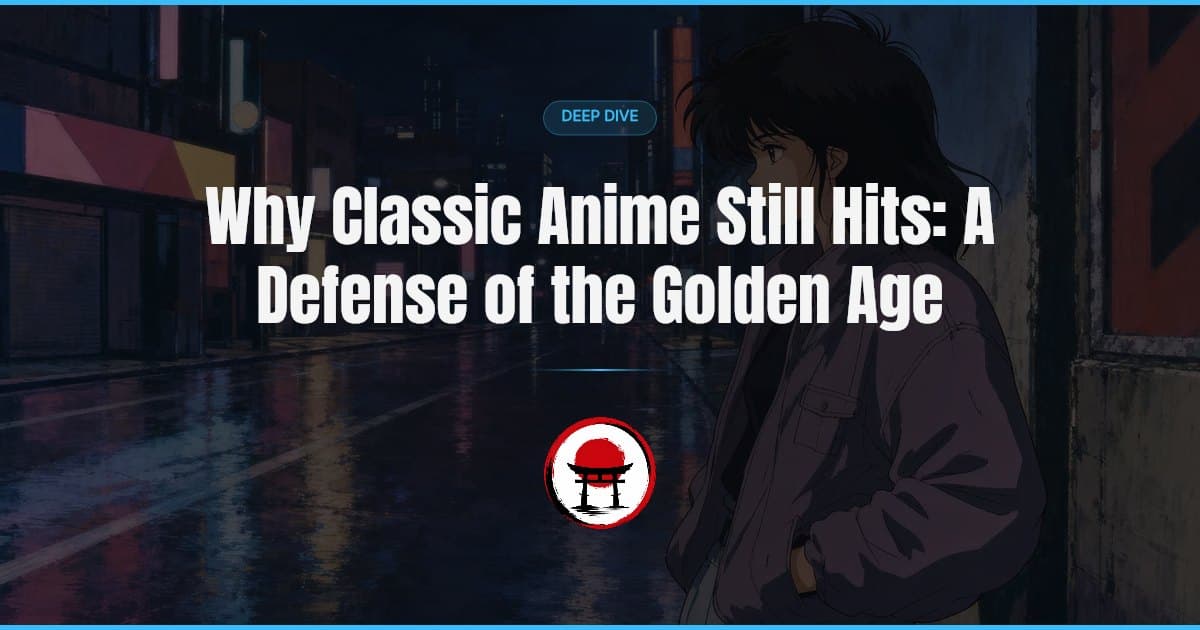
Why Classic Anime Still Hits: A Defense of the Golden Age
Classic anime has outlasted nostalgia. Its limitations taught directors how to use staging, timing, sound and stillness, and Yu Yu Hakusho shows why those lessons still work.