Why Classic Anime Still Hits: A Defense of the Golden Age
 By Mika Tanabe · Editor
Every few months, someone announces that anime only became good after production went digital and treats everything older as assigned reading. That argument sounds tidy until you spend time with the shows themselves. Saying the classics merely hold up does not go far enough. The golden age worked within hard limits: hand-painted cels, tight footage budgets and no way to rescue a bad cut in post. Those conditions trained a generation of directors to focus on skills that money still cannot buy. They had to know where to place the camera, when to cut, how to use sound and when to let a shot sit long enough to become painful. Yu Yu Hakusho is my exhibit A. It is also only one example from an era full of them. These shows still hit because their best choices were never dependent on novelty or technical polish.
Fashion Ages. Filmmaking Does Not
When somebody calls an old show dated, pay attention to the features they name. Usually they mean the character designs, palettes shaped by film stock, the clothes or the technology inside the story. Those details reveal when a series was made. They do not tell you whether a scene works. A director's control of camera position, pacing and music was never tied to a production format, so good choices in those areas did not expire when the industry changed tools. Cowboy Bebop is still the coolest thing in any room it enters. Perfect Blue still makes people physically uncomfortable using cuts alone. Neither effect depends on pretending the work is new. Yu Yu Hakusho makes the same case from its opening premise. It begins with a punk kid who dies while doing the one unselfish thing nobody expected of him. The hook lands just as hard now as it did then because the appeal comes from character instead of spectacle. We immediately want to know what this kid's death means and what his unexpected act says about him. A glossy surface could not substitute for that foundation, and an older surface cannot weaken it. Half the time, the supposedly dated look is not even a fair description of the show. The real problem is a bad transfer that makes a well-made production look murky. Style drift and poor presentation are easy to notice, but neither is a useful measure of filmmaking.
Scarcity Taught Directors Where to Spend Motion
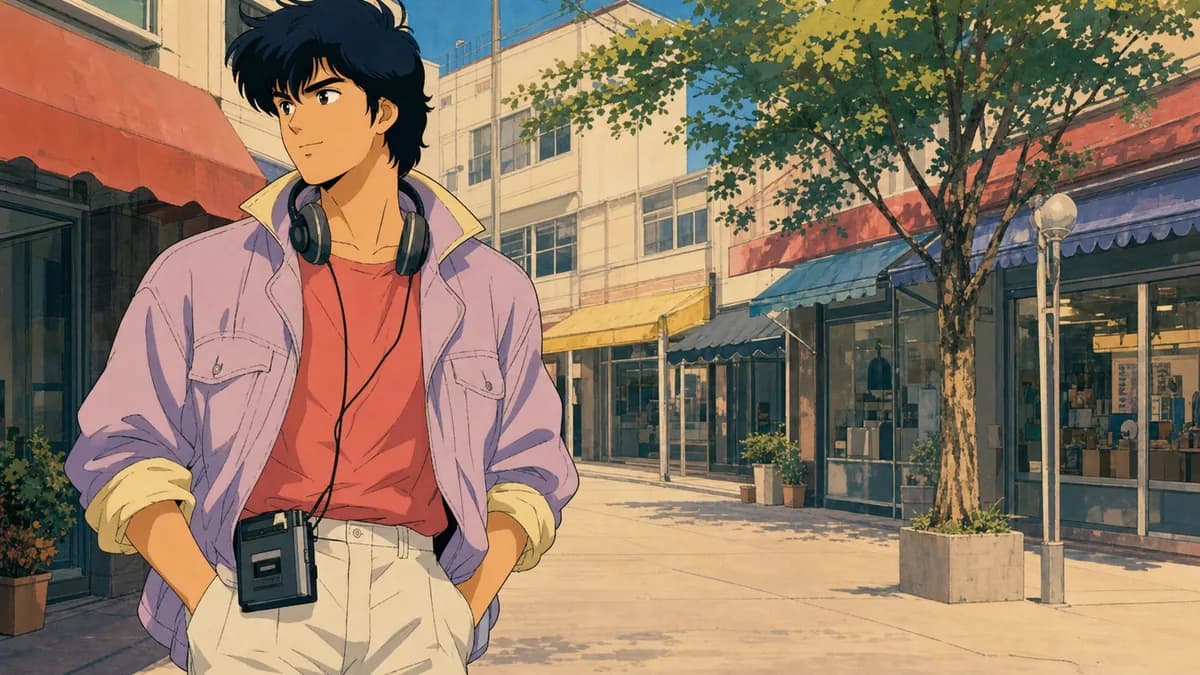
Every frame cost a human hand, so directors of the era had to decide exactly where motion mattered. Everywhere else, they learned how to hold still with purpose. That restraint could become menace. Fist of the North Star built a whole grammar out of the frozen instant before violence. The Berserk television run generated dread with almost no movement at all. Neon Genesis Evangelion held a static shot past the point of comfort until the image became the most unnerving thing on the schedule. These are not excuses made for missing animation. They are examples of directors turning a production limit into a dramatic choice. Yu Yu Hakusho's own staff sheet shows how the system developed that skill. Studio Pierrot handed direction and storyboards to talent including a young Akiyuki Shinbou, who worked the grind here long before he became one of the most instantly recognizable stylists in the medium. Television production in that period functioned as a training floor. People learned to solve scenes through staging and timing because they could not throw extra drawings at every problem. Modern studios can animate anything they like, and that freedom is a real gift. It can also become a quiet trap. When motion is cheap, a still image may stop feeling like a deliberate choice and begin to look like an empty space waiting to be filled. The older productions remind us that movement has greater force when a director knows why it belongs in the scene.
A Long Run Gave Characters Time to Change
Length gave these series something a single cour cannot reproduce on command. Yu Yu Hakusho starts as a supernatural procedural about a dead delinquent taking assignments from the afterlife under Koenma. Over time, it mutates into a tournament series with real weight. That shift works because the show has room to discover what its characters can carry instead of locking every purpose in place from the first episode. Kuwabara starts as a rival thug and becomes the character you trust most. Hiei and Kurama begin as fugitives from the afterlife's own justice, then end up carrying the emotional spine. You cannot engineer that kind of growth in one cour. It has to accumulate while the audience spends time with the cast. The same math explains the lasting force of Dragon Ball Z, Slam Dunk and Hajime no Ippo. Their training registers because you sat through the training, watched the effort pile up and understood what a breakthrough cost. Their length could be unruly, but it also made progress feel lived rather than reported. Yoshihiro Togashi later took the structural ideas he tested here and rebuilt them sharper in Hunter x Hunter. Modern shonen still runs on that grammar. Demon Slayer and Jujutsu Kaisen are tournament-shonen descendants with far bigger budgets behind them, not new species. Their speed and finish are contemporary, but the way they organize progress and combat remains connected to what the longer shows worked out. The old format asked for patience, then used that patience as part of the experience.
The Fair Case Against the Classics
The strongest argument against this view deserves a direct answer because the faults are real. Long-running classics sag. Some contain filler stretches created for scheduling reasons and nothing else. Recaps consume time, while arcs sometimes stay long after their best material has passed. Plenty of older writing treats its women in ways that read poorly now. Pretending otherwise is fan apologetics, not serious criticism. Modern productions also accomplish things the old guard could not. Frieren: Beyond Journey's End controls silence with a precision those schedules would never have funded. Vinland Saga sustains adult moral weight at a scale older adaptations rarely attempted. Mob Psycho 100 animates ideas rather than actions. Those achievements do not need to be diminished to protect an earlier generation of shows. Treating this as old versus new gets us nowhere. The narrower and firmer claim is that the classics remain first-tier viewing instead of history homework. You deal with their flaws by choosing carefully. Watch by arc when a sprawling run makes that sensible. Skip padding that only exists to fill a schedule. Find a decent copy before deciding that the original art looks muddy. This is not special pleading. Viewers already decide which parts of modern television are worth their time. Older anime asks for the same basic judgment. A series can have weak material and still offer scenes or entire arcs that deserve to be seen on their own terms.
Access Changed Far More Than Craft
Look closely at the modern showcases people use as evidence against the classics. Mob Psycho's staging and Frieren's patience are golden-age instincts backed by a modern budget. The tools and schedules changed, but the underlying attention to composition and restraint did not arrive from nowhere. The bigger change for viewers was access. Getting into this era once meant tracking down out-of-print box sets, dealing with region-locked discs or knowing the right person. Yu Yu Hakusho now sits legally on Crunchyroll, Netflix, Hulu and Tubi. That gives it four front doors and removes the hunt that used to stand between curiosity and actually pressing play. Much of the era's best work has benefited from the same collapse of friction, from Monster to Revolutionary Girl Utena to Akira. Easy availability strips away the one practical objection that once carried real weight. The classics were hard to reach, so viewers understandably defaulted to whatever was simulcasting that week. Now the useful test is much simpler: is this show good tonight? Yu Yu Hakusho still ranks in the upper reaches of all-time lists, and sentiment alone does not explain that position. Its drawing style places it in a particular period, but its central appeal is not trapped there. A mean kid learning that he is worth something does not expire. Neither does the skill required to make his change convincing. New production methods can extend what anime is able to show, while the older series remain evidence that what a director chooses to show matters far more than the age of the equipment.
FAQ
Start with Cowboy Bebop if style is what draws you in. It remains the easiest sell in the medium because its confidence is obvious from the beginning. For shonen, choose Yu Yu Hakusho and give its cast enough time to settle into place. If you want a series that connects old-school craft to modern polish, Fullmetal Alchemist: Brotherhood does that better than anything. Each is an inviting route into older storytelling habits without making the experience feel like homework.