
Seinen describes the readers a magazine is published for, not a genre. The intended audience is adults rather than teenagers. That distinction matters because online discussion often treats the label as shorthand for darkness and violence, even though a good half of the best seinen offers neither. The shows gathered here share a serious interest in consequences. Their characters make decisions that cannot be undone, live with ambiguity that never receives a neat answer, and face adult concerns such as money, work, guilt, ageing and complicity. Those concerns are the drama, not downtime between fights. Some of these series are brutal. Another is largely a comedy built around food and dreadful facial expressions. One follows a man who quietly abandons revenge. The order reflects how much each show asks of its audience, not how much blood it spills. We also left out series that place gore over a teenage framework and call the result mature. Edge and maturity are different things. This shelf is for viewers who no longer expect every conflict to end fairly.
- 01
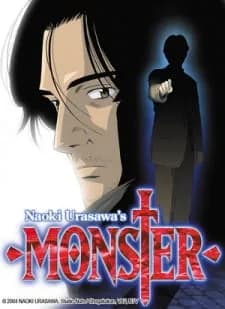
Monster
8.8A surgeon chooses to save a child rather than a politician, then devotes the rest of his life to confronting what that choice released into the world. That setup becomes anime's definitive adult moral problem because professional ethics receive the weight of real drama. The series is long, deliberately unhurried and composed almost entirely of conversation. Viewers who need constant pace will probably lose patience. For anyone who wants a story to examine responsibility without flinching or simplifying it, no other entry here does the job better.
Where to Watch → - 02
Vinland Saga
8.7Few shows make a stronger case that seinen depends on perspective rather than body count. This one begins as a revenge story and fulfills that promise before turning its attention toward a man who realizes revenge was smaller than he believed. Battlefields give way to farmland and philosophy. The change in direction defines the series, and it also explains why some viewers leave partway through. Keep watching when the shape changes. That turn contains the reason the show matters.
Where to Watch → - 03
Cowboy Bebop
8.6Jazz, bounty hunting and easy company frame a story about adults who cannot escape their pasts. Its episodic construction initially hides the larger design. Most weeks offer a self-contained job capped by a wry punchline, but those episodes gradually form a portrait of people dodging the one conversation each desperately needs. The show wears its cool without effort, then becomes quietly devastating when it chooses. Anyone looking for steady narrative momentum should expect long stretches of drifting, since the time spent hanging around is part of its character.
Where to Watch → - 04
Golden Kamuy
7.7Nothing else on the list shows the range of seinen quite this gleefully. A treasure hunt across a frozen frontier also works as a carefully researched portrait of the Ainu people and a survival manual. Then it becomes a deranged comedy about men making grotesque faces, sometimes in the very same episode. Those violent shifts in tone are the show's signature and the line that divides its audience. Avoid it if consistency is essential to you. Start here if you want the most outright fun on this page.
Where to Watch → - 05
Kingdom
7.4The scale of its ambition is enormous. A war orphan pursues generalship while a young king works toward a unified country, but the deeper subject is statecraft. Logistics and loyalty matter because the series understands the terrible arithmetic involved in sending men to die for a strategy. Its battles hinge on formations instead of isolated duels. The early animation presents a real hurdle, and prospective viewers deserve that warning. Push through it, though, and the reward for following these campaigns becomes immense.
Where to Watch → - 06
No other selection here studies grief carried by people far too young for its weight with such clarity. The soldiers preserve the names of everyone they have lost, and the story refuses to sentimentalize what that tally does to someone over a long war. Survival feels like a burden rather than a victory. The mood stays sombre and controlled, making this heavier viewing than most military anime. Its emotional payoffs take their time and arrive according to the characters' experience, not an audience-friendly schedule.
Where to Watch → - 07
Psycho-Pass
8.1Complicity drives the story. Its protagonist learns what her institution truly is, yet continues working inside it. The series cares far more about that compromise than it does about offering the clean satisfaction of rebellion, an adult conclusion that a story aimed younger would rarely pursue. Police work appears cold, urban and intentionally unglamorous. The cast remains at a deliberate distance as well. Viewers who need an obvious hero to support may find the experience chilly, but that discomfort belongs to the argument.
Where to Watch → - 08
Beastars
7.7Maturity does not have to mean relentless gloom, and this is the list's clearest evidence. Beneath its animal conceit sits an unusually candid story about appetite, self-control and the portion of a person's identity assigned by society before they arrive. Desire and repression receive a direct treatment that most anime avoids. The result is strange, theatrical and sometimes awkward. Its stylised appearance loses some viewers early, before they have a chance to discover how sharp the writing underneath it becomes.
Where to Watch → - 09
Parasyte
8.1Body horror disguises a coming-of-age story with an unusually adult understanding of growth. As the series continues, its teenage lead becomes calmer and more capable while looking less recognisably like himself. The change counts as a loss as much as an advance, which gives the monster premise a harder reading than it first advertises. The show is unsentimental and often physically ugly. Some production choices now show their age, but its central argument about what human beings are has not softened at all.
Where to Watch → - 10
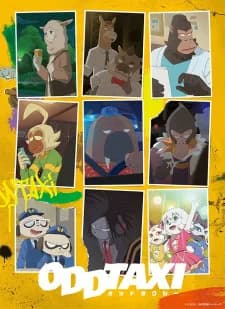
Odd Taxi
8.5The quietest selection is also the most modern. Debt and loneliness push ordinary people toward small, desperate choices after life has narrowed to one bad option. A crime plot supplies the structure, while talking animals lower the audience's guard. Nearly everything happens through conversation, and the writing is superb enough to carry that weight. Depending so heavily on dialogue makes this the least flashy show on the page. It also makes it the most rewarding to watch again, once every stray remark has acquired another meaning.
Where to Watch →








FAQ
The distinction concerns the readership a publication targets, not a fixed set of content rules. Shonen magazines are generally aimed at younger teenage boys and often emphasize growth, friendship and rising stakes. Seinen expects an older reader, which gives a story room for moral ambiguity, slower pacing and endings that leave some disorder behind. Violence is not the dividing line. Plenty of shonen is more violent than plenty of seinen.