Ranking Ghibli feels odd because the choice is not between good films and bad ones. It comes down to which side of the studio matters most to you. Hayao Miyazaki's films return to flight, weather, food, capable people absorbed in their work, and childhood treated with respect instead of nervous protection. Isao Takahata worked in another register. He could make films without any magic and had no interest in sending the audience home comforted. Ignoring that side would turn a list about a studio into a list about one director, so both belong here. The common thread is the filmmakers' refusal to talk down to anyone. Morals are not spelled out at the finish, consequences last, and supposed villains often turn out to be people whose interests cannot be reconciled. Our order reflects how much each film reveals about Ghibli, not how charming it happens to be. The exclusions still hurt. Porco Rosso, Whisper of the Heart and The Tale of the Princess Kaguya all have cases strong enough to deserve a hearing.
- 01
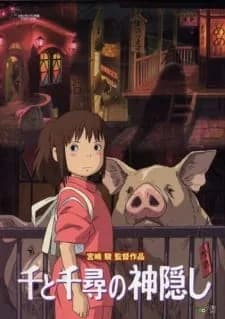
This is Ghibli's complete statement, which is why it tops this list and so many others. Every register the studio uses fits inside it. The bathhouse may be the densest environment Ghibli ever built. It is crowded, functional and controlled by rules that nobody pauses to explain. The girl who must find her way through it succeeds through diligence and courtesy, not conventional bravery. The film is far stranger than the studio's reputation for gentle whimsy suggests. If you watch only one Ghibli film, choose the one that seems to contain all the others.
Where to Watch → - 02
Ghibli has never sounded angrier than it does here, making this the answer to anyone who assumes the studio exists to soothe. Gods bleed and limbs come off. The conflict between an ironworks and a forest has no tidy solution. The woman directing the industrial project has taken in people cast out by everyone else, a choice that defeats any easy judgment of her. No other entry sustains worldbuilding on this scale. It is too violent for young children and too morally tangled for viewers who want an uncomplicated hero.
Where to Watch → - 03
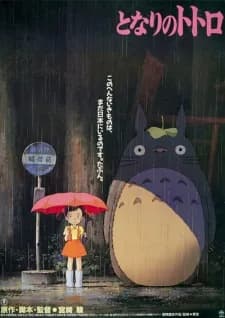
For the clearest example of what people call the Ghibli feeling, watch two girls settle into the countryside while their mother is ill. The film stays close to their days: rain falling at a bus stop, dust stirring in an empty house, something enormous sleeping among the trees. Nothing in the story serves as an antagonist, a distinction almost no other film here can claim. This is the studio at its gentlest, yet a quiet fear runs through it because the thing frightening the children is real.
Where to Watch → - 04
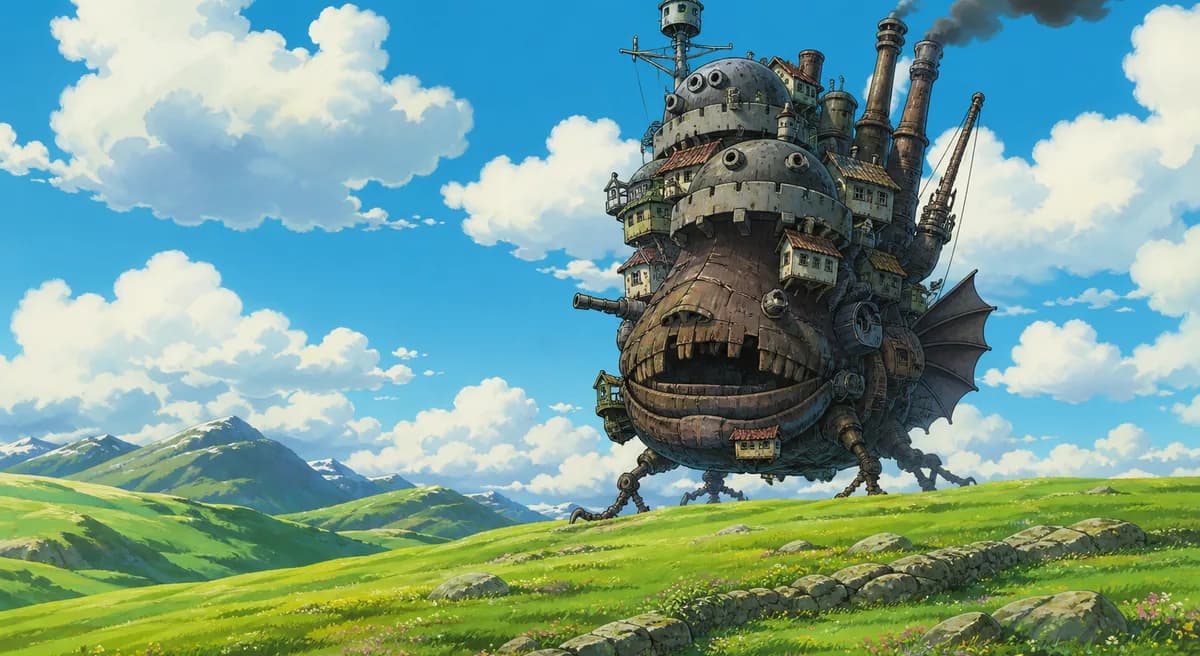
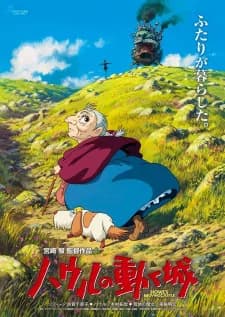
This is the most romantic film Ghibli made, as well as comfortably its least disciplined. A young woman, cursed into old age, finds work keeping house for a vain wizard. Most of the pleasure comes from texture: the castle's ridiculous clanking construction, the fire glowing in the grate, and an ageing body portrayed with wit rather than pity. The war plot never reaches a proper resolution. The atmosphere is so enveloping that few viewers notice, and fewer seem to care. Watch for the feeling rather than the structure.
Where to Watch → - 05
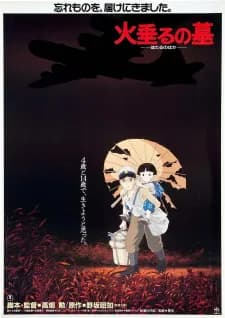
Takahata's film is proof that Ghibli was never the expression of one man's sensibility. He removes every comfort found elsewhere in the catalogue. There is no magic, no flight and no kindly creature waiting in the woods. Instead, he follows two children through the end of a war with patience that becomes unbearable. This may be the greatest film the studio produced, and it is certainly the one people do not rewatch. Do not show it to a child, and do not expect anything like the emotional register of the other entries.
Where to Watch → - 06
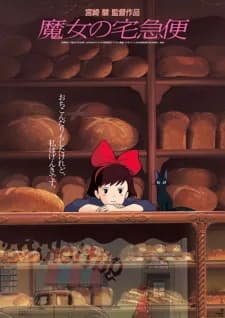
The smallest story on this list may be the one that ages best with its audience. A young witch arrives in a new city, starts a delivery service and suddenly loses the ability that defines her. Her experience captures creative burnout with such accuracy that adults regularly find more in it than children do. No outside threat drives the story because the conflict happens within her. Viewers looking for incident may consider it slight. Its refusal to manufacture larger drama is exactly what gives the film its force.
Where to Watch → - 07
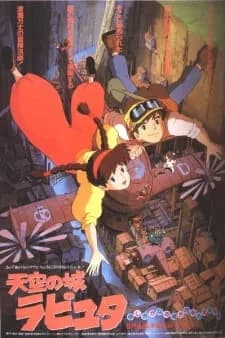
No Ghibli film offers a purer adventure, and this one is generally treated as the studio's first proper feature. Sky pirates pursue two children running for their lives amid a floating island and ancient machinery. The construction recalls a serial, pushing forward with a momentum that the later, deliberately contemplative films would give up. Ghibli's obsession with flight starts here, and the studio never found a better expression of it. Pick this when everyone in the room wants a strong story instead of a sustained mood.
Where to Watch → - 08
Arriving late in the studio's history, this film feels like a conversation with every title placed above it. A grieving boy follows a talking heron into a place built from images its director has drawn throughout his working life. The story openly considers what becomes of a world when the person holding it together finally releases it. It remains difficult and dreamlike, refusing a clean resolution. Beginning your Ghibli viewing here will probably leave you lost. Saving it for the end may leave you undone.
Where to Watch → - 09
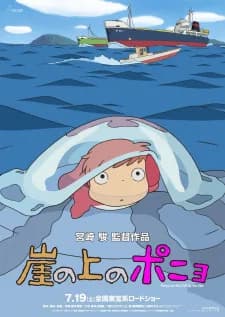
Ponyo
7.9Made squarely for small children, this is also the most visually radical selection here. Hand-drawn waves behave like animals, colour appears in crayon-bright blocks, and a girl racing across the sea produces a rush of pure animated joy. The story stays slight and intentionally childlike, so adults expecting the density of Ghibli's work for older audiences may find it thin. Put it on beside a five-year-old, however, and for a little while it can feel like the best film on the list.
Where to Watch →


FAQ
The company matters more than any claim about which film is best. For a viewing with young children, choose one of the gentle, pastoral films around the middle of this list. If you are watching alone as an adult, begin at the top. Anyone who has only heard that Ghibli films are sweet should try the second pick first. It quickly explains why so many viewers take the studio seriously.