During the 2000s, anime changed from something you might happen to catch into something you followed every week and argued about while waiting for the next episode. Production moved to digital methods across the decade. Sharper lines replaced the softer cel look, compositing grew bolder, and colours popped instead of glowing. The audience was changing too. Viewers went online and began watching close to broadcast, so shows could be written for people who would spend the week trading theories. You can see that shift in plots designed to hide information and cliffhangers calibrated to keep a forum busy for seven days. The industry had also realised that the whole world was watching. These choices favour that particular 2000s energy, so ambition and volume count alongside raw quality. Remakes and sequels that properly belong to another decade have been left out. This is not a ranking. The order follows the decade's different strands, beginning with the mind-game boom, moving through its stylists and maximalists, and finishing with the quieter shows that did some of its most underrated work.
- 01
Death Note
8.4Death Note was the decade's great discourse engine, the show that kept a theory thread active on every forum. A student finds a weapon that kills by name, and a detective gets on his trail almost immediately. From there, two arrogant minds try to corner each other using nothing except information. It defines the 2000s because each episode invited dissection during the week-long wait. The energy falls sharply after the original pairing breaks, a lesson that other shows from the decade also absorbed.
Where to Watch → - 02
Code Geass
8.5Code Geass: Hangyaku no Lelouch supplied the loud, theatrical, wholly shameless half of the decade's mind-game boom. An exiled prince gains the power to compel obedience and turns it against an empire. Nearly every episode closes on the sort of twist designed to send a message board into chaos by Monday. This was appointment television at its peak for that era. Anyone looking for restraint or subtlety has landed on emphatically the wrong entry.
Where to Watch → - 03
Samurai Champloo answers the decade's plot obsession with pure style. Two badly matched bodyguards wander through the Edo period with the girl who hired them, without getting anywhere in much of a hurry. The destination matters less than the cutting and choreography, while a soundtrack that has no business accompanying a samurai story somehow fits perfectly. The series caught the moment when directors realised music and editing could carry a show by themselves. Plot-first viewers may call it aimless, which is exactly what it means to be.
Where to Watch → - 04
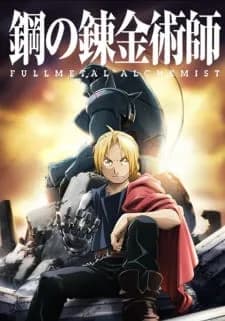
Fullmetal Alchemist: Brotherhood arrived as the decade's closing statement and delivered its most useful lesson. This second, faithful adaptation returned to a comic that the earlier anime had overtaken. With every thread already present and waiting to be used, it showed why patience could beat improvisation, resulting in the most structurally complete long series the medium has produced. Its place in the middle reflects how it works less as an expression of the decade's mood than as a correction to it. Fans who want ambiguity will find little of it here.
Where to Watch → - 05
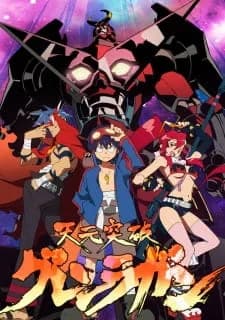
Tengen Toppa Gurren Lagann pushed the decade's sincerity to maximum volume. The story begins with a boy digging holes underground, then escalates with such relentless contempt for proportion that any description of its destination sounds like a joke. Its conviction is strong enough to carry you along anyway. Nothing else the 2000s produced had quite this much unironic nerve. Viewers exhausted by constant escalation, or put off by blunt humour, are better off skipping it.
Where to Watch → - 06
Clannad
7.7Clannad stands at the high-water mark of the decade's visual-novel adaptation wave, and a generation still associates it with crying over anime. For a long while, it behaves like a gentle and slightly awkward school comedy about a directionless boy and the people he gathers around him. That patience is deliberate preparation for material far more adult than the art style suggests. The early register drives some viewers away, but those who stay are rarely quite the same afterward.
Where to Watch → - 07
Claymore
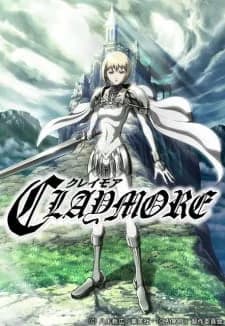
7.4Before dark fantasy became a marketing category, Claymore gave the decade its best straightforward example. Half-monster women take contracts to kill full monsters, in an arrangement that is plainly a trap for everybody involved. The show handles that setup with grim, sober conviction instead of leaning on shock value. Its controlled mood makes a useful counterweight to the decade's noisier hits. The real drawback is its stopping point, which comes well before a resolution, so expect a fragment rather than a completed story.
Where to Watch → - 08
Koukaku Kidoutai: Stand Alone Complex represents the decade's prestige end and asks more of its audience than anything else here. Its cyber-crime unit investigates cases in a world where bodies function as hardware and minds can be hacked. Politics and procedure generate real tension, while philosophy is treated as part of the story rather than decoration placed between fights. Its place on this list comes from proving that a genre series could be genuinely adult. The dialogue is dense, and looking away carries a cost.
Where to Watch → - 09
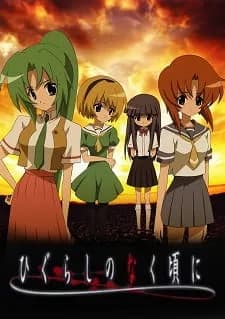
Higurashi no Naku Koro ni built the decade's most inventive horror around a structural trick that should not be spoiled. A city boy moves to a welcoming rural village during festival season, where everything seems charming until it very much does not. The series keeps returning to the same events from new angles, forcing you to reconsider what you thought you had seen. Structure earns it this place above anything else. The rough character art presents a genuine hurdle, though usually only for the first two episodes.
Where to Watch → - 10
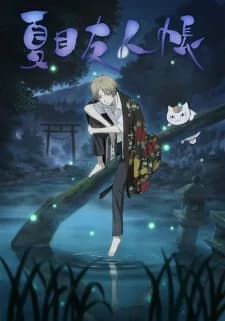
Natsume Yuujinchou closes the list quietly, as the decade's most underrated achievement. A boy who has always seen things invisible to everyone else comes into possession of a ledger that binds local spirits to him. What follows is no power fantasy. He instead finds himself in a succession of small negotiations with lonely creatures, and most episodes concern someone finally being seen. The 2000s could work at this gentle volume as well as they could shout. Viewers who need plot momentum or high stakes may find it far too soft.
Where to Watch →


FAQ
The production pipeline changed at the same time as the audience. Digital colouring and compositing took over from photographed cels, making brighter, sharper images possible and bringing certain camera movements within budget. A global audience was also starting to watch close to broadcast, which encouraged writers to make series that paid viewers back for speculating all week.