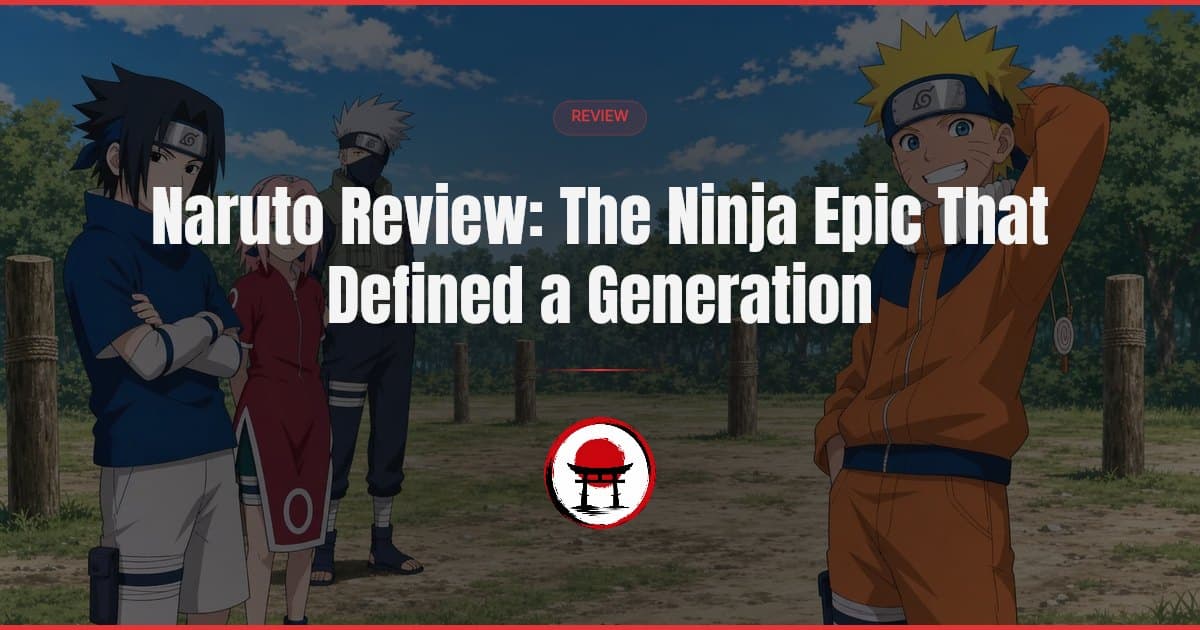
Naruto Review: The Ninja Epic That Defined a Generation
 By Mika Tanabe · Editor
For a huge slice of Western fans, the road into anime started with an orange jumpsuit and a kid nobody wanted around. Naruto Uzumaki is a loudmouth outcast carrying a caged monster the whole Hidden Leaf village blames him for, and Masashi Kishimoto builds a sprawling shonen saga on that single ache to be acknowledged. Studio Pierrot's adaptation is messy, overlong, and occasionally brilliant - a foundational text that taught a generation the grammar of the genre: rival bonds, tournament stakes, power-ups earned through gut-punch backstory. This review covers the original series, not its sequel: the years of Team 7, before the time skip. It still hits hard, if you can forgive its detours.
Story & Premise
The premise is deceptively simple. In the ninja village of Konohagakure, orphaned troublemaker Naruto wants to become Hokage, the leader everyone respects, mostly so the people who ignored him finally have to look up. The Nine-Tailed Fox sealed inside him at birth - the same beast that once flattened the village - makes him a pariah and, eventually, a weapon. Kishimoto's smartest move is grounding a fantasy of super-powered warriors in something painfully ordinary: a lonely kid acting out for attention. The early stretch pairs him with Sasuke and Sakura under the unbothered jonin Kakashi, and Team 7's mismatched chemistry carries the opening arcs. The story then escalates through the Chunin Exams, a tournament that remains the series' structural high point - tense, well-seeded, packed with introductions that pay off for years. Pacing is the recurring problem: the manga's momentum gets diluted, and long fights stretch across installments where a chapter's worth of action becomes an afternoon's viewing.
Characters
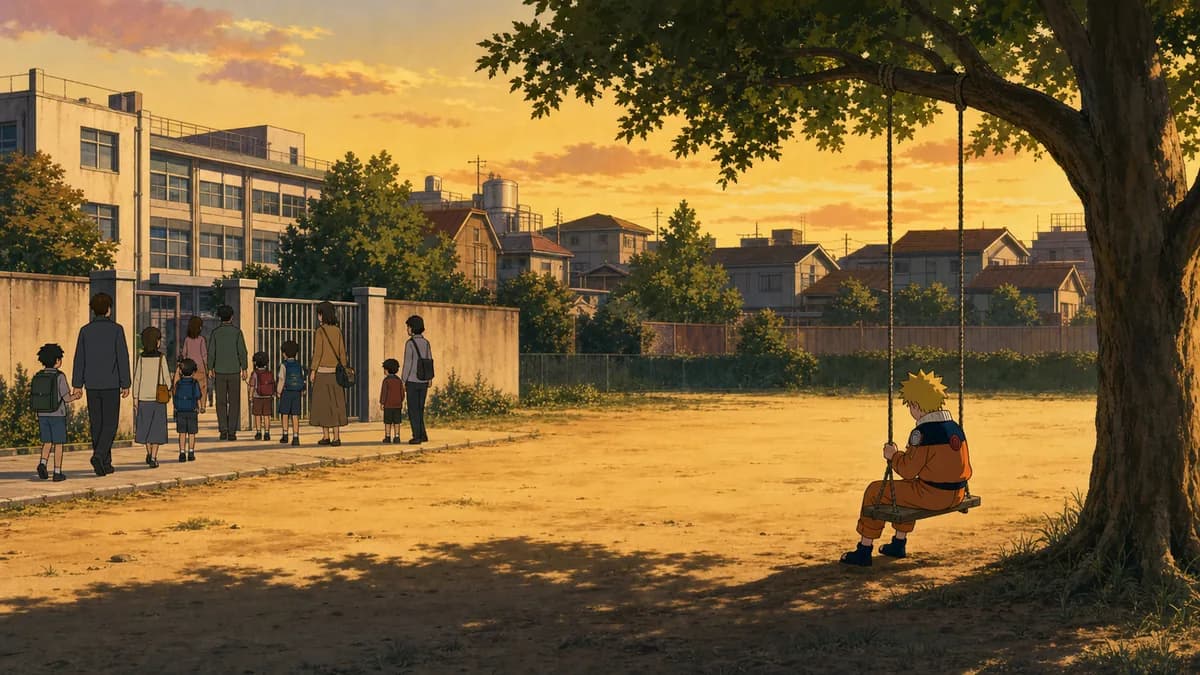
Naruto himself is a divisive lead - grating early, genuinely moving later, and the show knows it. His whole arc is about converting rejection into stubborn empathy, and the payoff is that he wins over enemies by refusing to write anyone off. But the series belongs almost as much to Sasuke Uchiha, whose revenge-poisoned descent gives Naruto something to chase; their fracturing friendship is the emotional spine the whole saga hangs on. Kakashi is the effortless-cool mentor archetype done right, and the wider ensemble - the rookie teams, the mentors, the Hokage lineage running back through Hiruzen Sarutobi - is deep enough that side characters carry entire arcs on their own. The weak link is Sakura, sidelined for long stretches while the boys get the spotlight, a real limitation of the original run. Where the writing consistently soars is the villains: Kishimoto gives antagonists tragic, coherent motives, so the fights double as arguments about pain, isolation, and the cycles that create monsters.
Animation & Sound
Studio Pierrot's animation is best described as inconsistent, and that's not a dodge - it's the honest read on a weekly production stretched over years. The highs are real: marquee duels get fluid, expressive choreography, and the show's visual language for its powers, from hand signs to surging chakra to the warp of an illusion technique, is clean and readable. The lows are equally real: filler stretches and lower-stakes episodes lean on stiff motion, recycled cuts, and outright padding. What never wavers is the sound. The score leans on taiko drums and mournful flute to sell both the adrenaline and the melancholy, and the theme songs are a genuine cultural artifact - bands like ASIAN KUNG-FU GENERATION and FLOW gave the series openings that fans still queue up on their own. If you grew up with the English dub, Kakashi and company have voices burned into memory. It's a soundscape that punches well above the animation's uneven weight.
Themes & What Sets It Apart
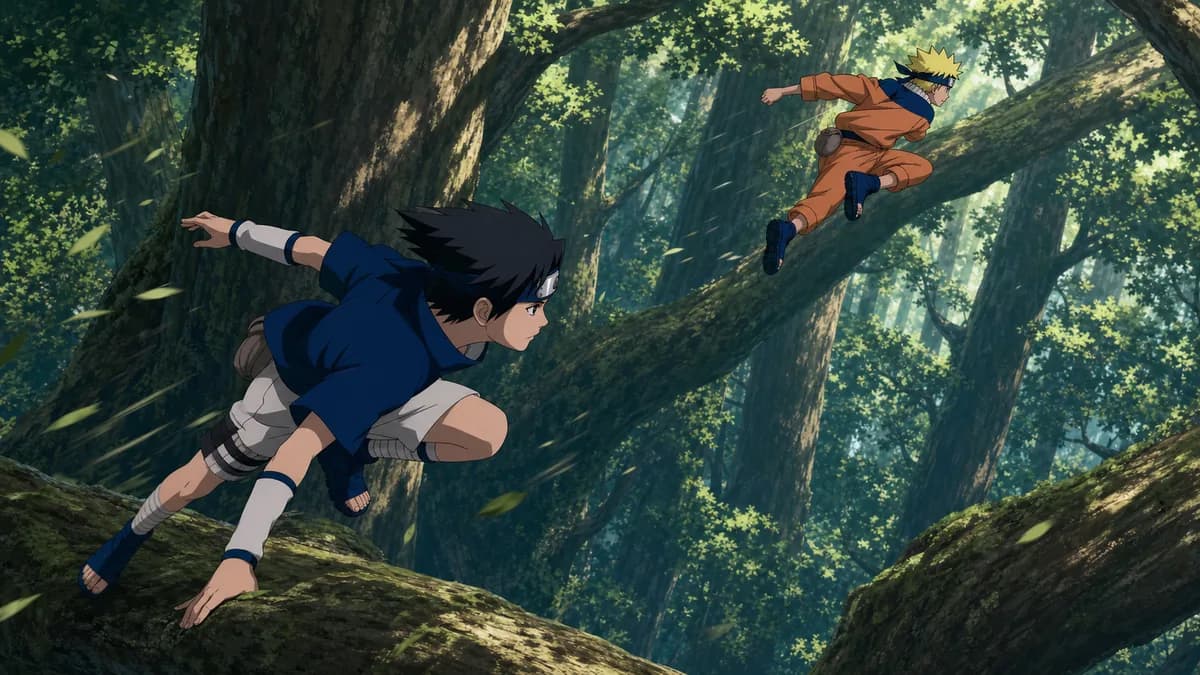
Strip away the ninjutsu and Naruto is about loneliness and the hunger to be seen, a theme it returns to with surprising discipline. Nearly every major character is defined by some form of isolation or loss, and the series argues, again and again, that connection is the thing worth fighting for. That's the found-family engine humming under the action: Team 7, the mentor bonds, the village itself as a flawed home. What set it apart at the time was scale and continuity - this was serialized shonen that actually remembered its own history, seeding a throwaway character or grudge and cashing it in dozens of arcs later. It also helped codify the modern shonen template so thoroughly that you can trace its DNA through much of what followed. Alongside Bleach and One Piece, it formed the 'Big Three' that defined a whole era of Shonen Jump anime abroad, and for millions it was the entry point into the medium itself.
Strengths & Shortcomings
The strengths are foundational: an emotionally legible hero's journey, a rival dynamic that anchors everything, tournament and mission arcs that still set a high bar, and villains with real philosophical weight. When Naruto is good, it's stirring in a way that explains the decades of devotion. The shortcomings are just as plain, and the biggest one has a name: filler. The original run is notorious for long stretches of anime-only, canon-adjacent episodes, especially in its back third, that stall the plot and test even loyal viewers. Anyone bingeing today is better off following an episode guide that trims the padding. Pacing inside canon arcs can sag too, and the recap-and-flashback habit gets indulgent. Sakura's underuse and some repetitive power-scaling round out the gripes. None of it is fatal, but it means the show demands patience and a little curation to hit its peaks. Go in knowing that, and the reward is one of the most rewarding long-haul shonen ever made.
The Verdict
Naruto is a landmark with warts. As a piece of craft it's uneven - a weekly production that visibly strains, padded with more filler than any binge needs - and if you're allergic to shonen conventions, it won't convert you. But as an emotional experience and a foundational text, it earns its status. The loneliness at its center is real, the Naruto-Sasuke bond is one of the genre's great tragedies-in-slow-motion, and the Chunin Exams alone justify the ticket. It's the show that taught a generation how to love anime, and it holds up for anyone willing to curate the filler and settle in for the long game. An 8.4 reflects exactly that: a genuinely great, genuinely flawed classic whose highs are high enough to forgive the drag. Start here, then let Naruto: Shippuden pay off everything the original sets up.
FAQ
Yes, especially if you have any interest in where modern shonen came from. It's a foundational, emotionally rich underdog story with some of the genre's best rivalries and villains - as long as you accept an uneven weekly production and a fair amount of filler along the way.