Toei Animation: The Engine That Built Anime
 By Mika Tanabe · Editor
Toei Animation built much of anime's audience by staying on air. It does not judge itself by a single season. Its measure is the calendar. Ask which studio is having the best year and there is usually a convincing answer, probably a smaller outfit responsible for a fight scene that people are still clipping and passing around online. Ask who built the audience watching those clips, though, and the answer has stayed remarkably steady for decades. Most studios produce a cour, wait to see how it lands, and hope the response earns a continuation. Toei treats its franchises like a city treats its power supply. They are expected to keep running, without much glamour, because losing the signal is the failure that matters. That persistence is neither inertia nor a fondness for old hits. It is a chosen industrial model, and Dragon Ball Super offers the clearest modern demonstration that the machine still does its job.
A Studio Built to Stay On Air
Endurance does not sound exciting until you see what decades of it can produce. One Piece has sailed from week to week for so long that viewers who discovered it in primary school can now debate it with their own children. Sailor Moon established the modern magical-girl template, then kept finding its way back to the screen, most recently in the Sailor Moon Eternal films. Digimon Adventure, Saint Seiya, and Slam Dunk each account for somebody's whole childhood. They also came through the same building. Compare that record with the industry's familiar cycle. A studio secures a popular manga, delivers one dazzling season, and leaves the property waiting years for another instalment that may never receive a green light. Toei does not leave its back catalogue sitting untouched. Old work is re-cut, released again, or continued for a new audience. Dragon Ball Z, for example, was trimmed down and returned to rotation as Dragon Ball Kai. This is how Toei keeps its franchises present rather than treating them as finished products in a vault. A conventional studio manages a library. Toei maintains something closer to public infrastructure, with series that remain available long enough to recruit one generation after another.
Dragon Ball Super Shows How the System Works
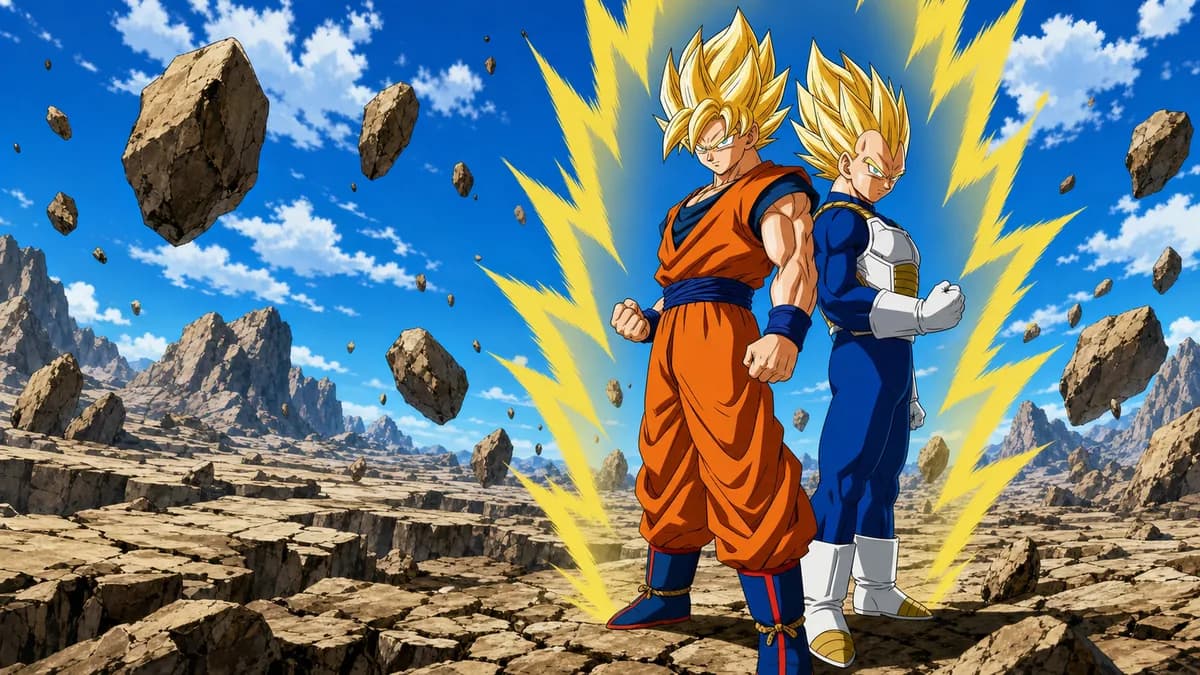
Dragon Ball Super makes the method unusually easy to see. Akira Toriyama's story had been closed for enough time that the industry regarded it as settled history. The ending was final, and the audience was assumed to have grown up and moved on. Bringing it back posed a larger logistical problem than a creative one. A franchise can only resume at that scale if the production machine behind it was never taken apart. The crew must still exist. The voices, merchandising operation, and broadcast slot must also be ready. Toei had kept every part of that system warm. The revival did not settle for repeating the old story beats, either. It raised the limit of its own cosmology. Goku and Vegeta moved beyond every opponent who had previously defined the upper edge of their strength and entered the company of gods. Beerus and Whis calmly made the series' established ideas about power obsolete. Later tournaments brought parallel universes together and repurposed Dragon Ball's oldest ritual, the fighting bracket, as a story device with no fixed end. Dragon Ball Super contains the wider Toei model in compact form. In this system, an ending can become a pause, while the length of that pause remains a business choice.
Weekly Compromises and Theatrical Spectacle
Toei's house style involves a clear exchange, and pretending otherwise helps nobody. The studio secures continuity of output by giving up some frame-by-frame finish. A serial that never stops cannot maintain feature quality every week. Its long productions show the cost in off-model passages, stretched pacing, and filler added so the people making the show have room to recover. Dragon Ball Super deserves that criticism. Anyone who watched it as it aired can identify the rough stretches without needing a reminder. The interesting comparison begins when Toei gathers its money around one project instead of distributing it across an endless television schedule. Dragon Ball Super: Broly is routinely placed among the finest animated work in the franchise's history. It takes a ritual Dragon Ball has repeated many times, two Saiyans driving each other toward the next level, and gives it a violence and speed that weekly television cannot pay for. Dragon Ball Super: Super Hero shifts the same cast into a completely different visual mode. One Piece Film: Red reached the scale of an event that no weekly broadcast slot could create. These films answer the quality argument plainly. Toei has always had a high artistic ceiling. The uneven television work comes from the demands of permanent production, not from an inability to produce exceptional animation when time and money are concentrated.
Why the Prestige Studios Seem to Have Passed Toei
The strongest case against Toei is not that it makes bad anime. The sharper claim is that it no longer matters to the direction of the medium. Put studios in order by craft and Toei seldom reaches the top. The shows that define the visual standard of this era and lead almost every discussion about animation quality are Demon Slayer, Jujutsu Kaisen, Chainsaw Man, Attack on Titan, and Frieren: Beyond Journey's End. None belongs to Toei, and none required a serial running for decades before it could have an impact. Toei's main weekly productions, meanwhile, can lose momentum in the middle. Fights unfold across weeks of characters standing around and shouting. At intervals, the result looks worse than a show produced on a fraction of its budget. From that angle, calling Toei the engine of anime can sound like nostalgia posing as industry analysis. There are two parts to the answer. First, this ranking assumes that wide reach arrives as a reward for great craft. The cause actually runs in the opposite direction. Those prestige shows entered a worldwide market that decades of Toei franchises helped gather and retain. Second, the compromise is genuine and intentional. A permanent institution cannot be animated at film quality every week. Attempt it and the likely result is one magnificent cour, followed by an empty broadcast slot. The boutique studios may set the current standard for spectacle, but they work in a market whose scale was built by long, readily available series.
Streaming Gave Toei's Old Model a New Purpose
The arrival of streaming platforms looked as if it should expose the age of Toei's system. Instead, it made the studio's greatest asset easier to recognise. When distribution shifted toward catalogues, depth became highly valuable. A streaming service likes a flawless single cour, but it has even more use for a title that can absorb a new subscriber for an entire year. Toei's franchises have exactly that shape. They are enormous and sequential, with each entry recruiting viewers for the next. Finish one part and another is already waiting. Dragon Ball Super is available on Crunchyroll and Hulu at the same time. That overlap quietly reveals how highly these libraries are valued, since the same run is useful enough for multiple services to carry it simultaneously. Binge viewing also solves a problem the weekly schedule could not. It reduces the apparent size of the weak sections. Filler that once meant a month spent waiting for the plot to move can now be skimmed in a single afternoon. When the business started favouring short, polished prestige cours, Toei's approach appeared old fashioned. The catalogue era showed that it was already suited to the way viewers now consume long series. Constant availability, once treated as the unglamorous side of the studio, became a major advantage when every platform needed a deep shelf.
The Real Product Is a Lifelong Anime Viewer
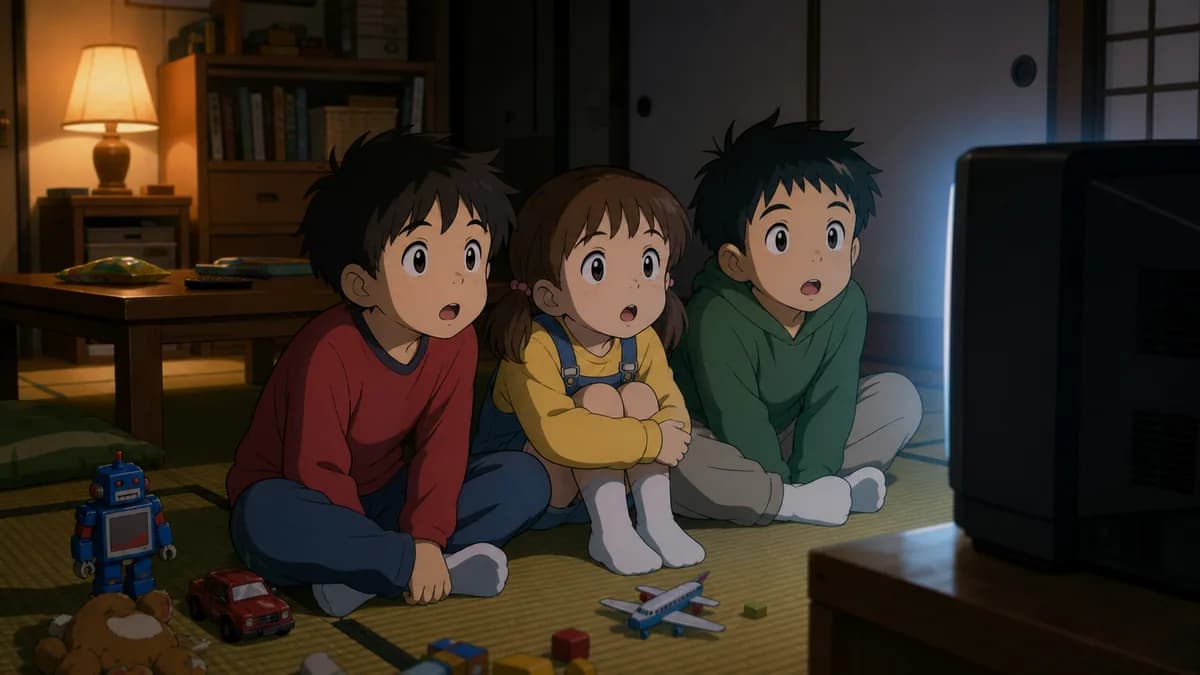
Studio rankings miss the most important result of Toei's work. Its true output is the audience, not the raw number of episodes and films. A child encounters Dragon Ball or Digimon Adventure on afternoon television. Years later, that viewer may be debating compositing in a prestige production, paying for a ticket to an art-house anime film, or searching out a release that nobody else in the city has heard about. That path generally runs in one direction. Very few people meet anime through a boutique masterpiece. Their first show is usually loud and colourful. Above all, it is always available, and it happened to be on when they were eight. Akira Toriyama's work passed through Toei even before Dragon Ball. Dr. Slump: Arale-chan was made by the same studio, which shows how far back this relationship reaches. Duration matters because every year on air creates another chance for somebody to walk through the door. Other studios can now make extraordinary work for an audience that Toei spent decades collecting. The fashionable edge of anime changes every few years, and it should. The common entry point has been far steadier. Keeping that entrance lit may lack the glamour of winning a seasonal ranking, but it explains Toei's place in the business better than any list based only on drawing quality.
FAQ
Its defining trait is longevity. Dragon Ball and its continuations, One Piece, Sailor Moon, Digimon Adventure, Saint Seiya, and Slam Dunk are the clearest examples. Toei is anime's oldest major studio, and no other studio's catalogue has introduced as many fans around the world to the medium. Its identity comes from keeping major franchises visible across generations rather than disappearing after a successful season.