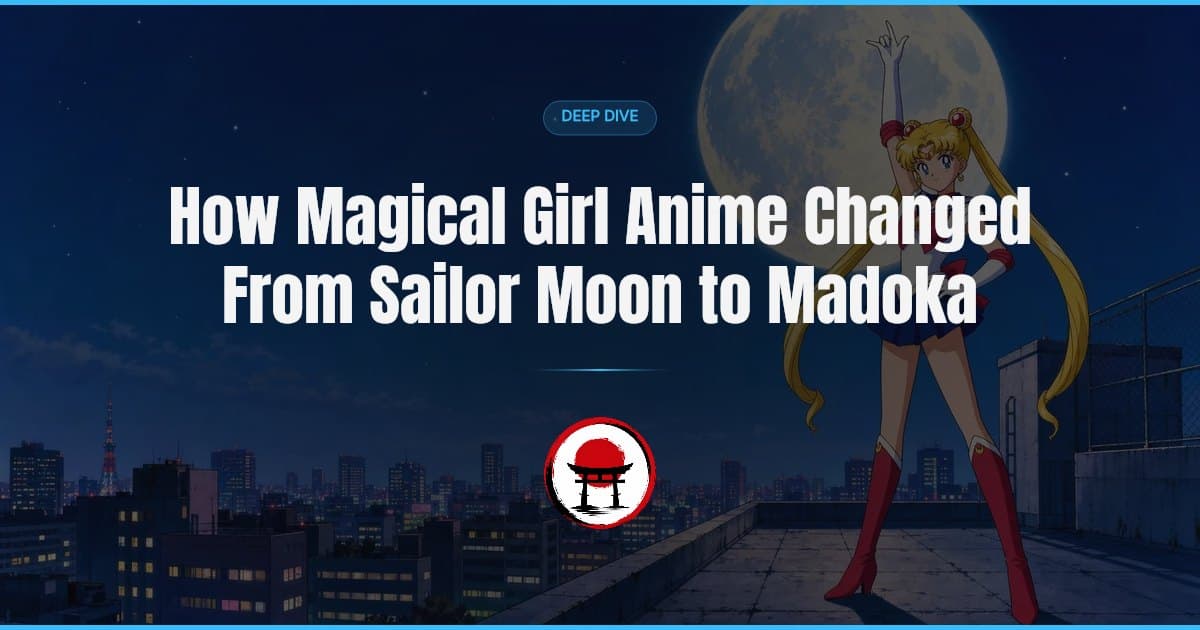
How Magical Girl Anime Changed From Sailor Moon to Madoka
 By Mika Tanabe · Editor
People keep telling the history of magical girl anime as a march from sweetness to seriousness. In that version, the early shows supplied the candy colors and Puella Magi Madoka Magica supplied the consequences. It is a tidy story, but it gets the order wrong and sells the show that established the form short. Bishoujo Senshi Sailor Moon already dealt in tragedy, death, revenge, brainwashing, reincarnation and a cosmic reset. None of that material was pasted onto the series to give an otherwise fluffy show some last-minute gravity. It held up the story from the start. School days and crushes mattered as much as the jokes and battles because the show understood that saving the world means something only when the characters have a life in it. Later series did not discover a serious soul hidden inside the genre. They addressed viewers who had grown older and remembered the old patterns. Those viewers could spot a twist on the familiar material immediately. The person sitting in front of the screen changed. The shows noticed and began writing for that person.
The Framework Everyone Still Uses
Begin with the form Naoko Takeuchi's manga took at Toei Animation under director Junichi Satou. The construction is the argument. It borrows the working grammar of tokusatsu and sentai: a color-coded team, a transformation ritual, attacks called out by name and a new monster to defeat each week. Then it gives all of that to middle schoolers and takes their daily concerns seriously. Usagi Tsukino oversleeps and bombs tests. Ami Mizuno studies, while Rei Hino keeps a shrine. Makoto Kino and Minako Aino complete a group that argues, eats and pines over Mamoru Chiba in the time between world-saving shifts. Those scenes are not downtime waiting for the plot to resume. They are the lives the plot is asking the girls to protect. Luna and Artemis serve as mentors in the shape of talking cats. It sounds like a cute gimmick, but the choice solves a real storytelling problem: the series can explain its lore without placing an adult in authority over the girls. Homework and cosmic danger occupy the same dramatic register, with neither treated as fake or disposable. That combination became the basic frame for what followed. Every later magical girl show has either used it directly or made its rejection of it part of the design.
Darkness Was There From the Beginning
The standard account assumes the genre stayed pastel until a later creator found the nerve to damage the surface. A close look at the original makes that hard to defend. Queen Beryl and Queen Metalia are not passing monsters-of-the-week. Their story is an ongoing war with an escalating body count. Revenge and brainwashing sit beside body horror, reincarnation and a reset that carries a cost. Sailor Moon puts all of this into a family-friendly slot because children's television in that era was allowed to be sad. The series never treats that sadness as an embarrassing break from its proper tone. It builds toward it. I will not spoil the end of the first great arc, but nobody should expect the whole cast to finish it by laughing off what happened. Its payoff has been gathering force one monster at a time, even while Usagi is failing a math test and the comedy is doing exactly what comedy should do. The ordinary material does not cancel the pain. It gives the pain somewhere to land. Saying that later deconstructions brought consequence into magical girl anime usually reveals a gap in the viewer's memory. Many people have not gone back to Sailor Moon since they were nine, so they remember its colors more sharply than what its story actually asked them to feel.
A Transformation Sequence States the Show's Beliefs
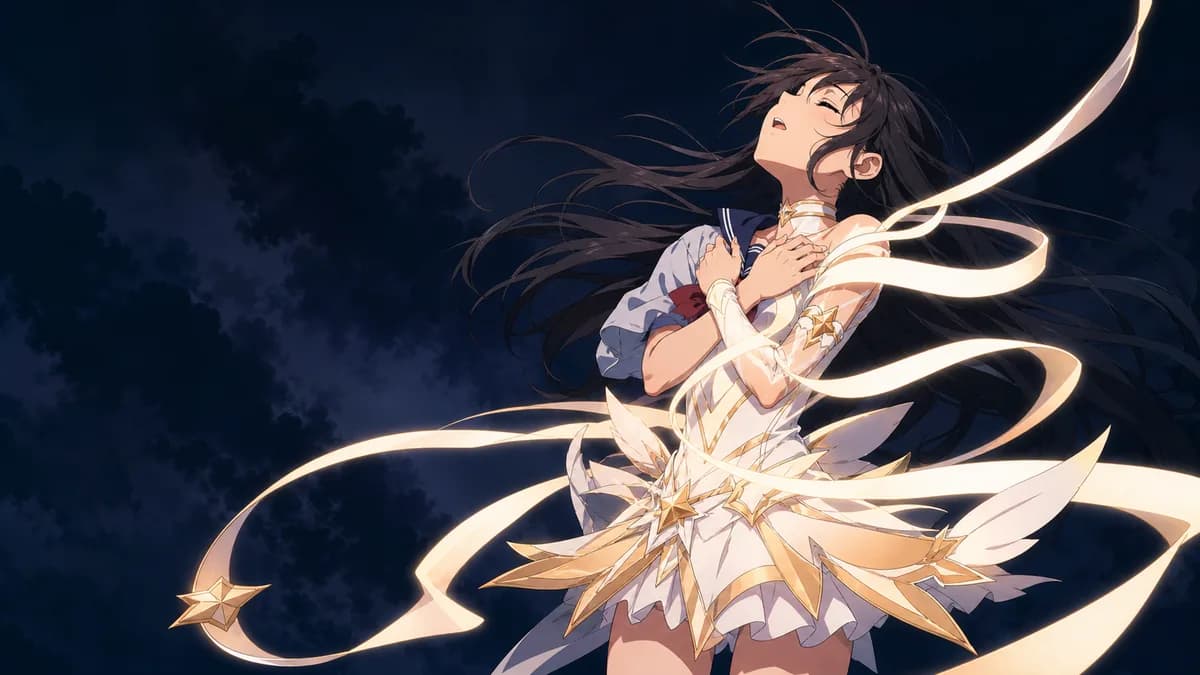
A magical girl series tells you how it sees power whenever it runs the henshin sequence. Calling that sequence recycled footage misses what repetition is doing. The girl performs the same ritual and chooses the role again each time. That makes the moment a kind of liturgy, not a quick trip into a different outfit. Track how a show handles that repeated choice and much of the genre becomes legible. Kill la Kill turns the ritual into a confrontation with exposure and shame, then refuses to relieve the discomfort it creates. Little Witch Academia shifts magic toward practice and failure. Its revealing moments are the broom you still cannot ride and the spell you fumble in front of everyone. Witch Hat Atelier and Wandering Witch: The Journey of Elaina approach magic as a trade governed by rules, apprenticeships and something resembling a career. None of those choices is cosmetic. The place where a story charges its price for transformation tells you what the story believes power should do. Sailor Moon sets that price in duty and love. The deconstructions turn it into a bargain whose terms nobody examined closely enough. They speak with different attitudes, but they are still answering a question that the original form made visible.
The Audience Changed Before the Genre Did
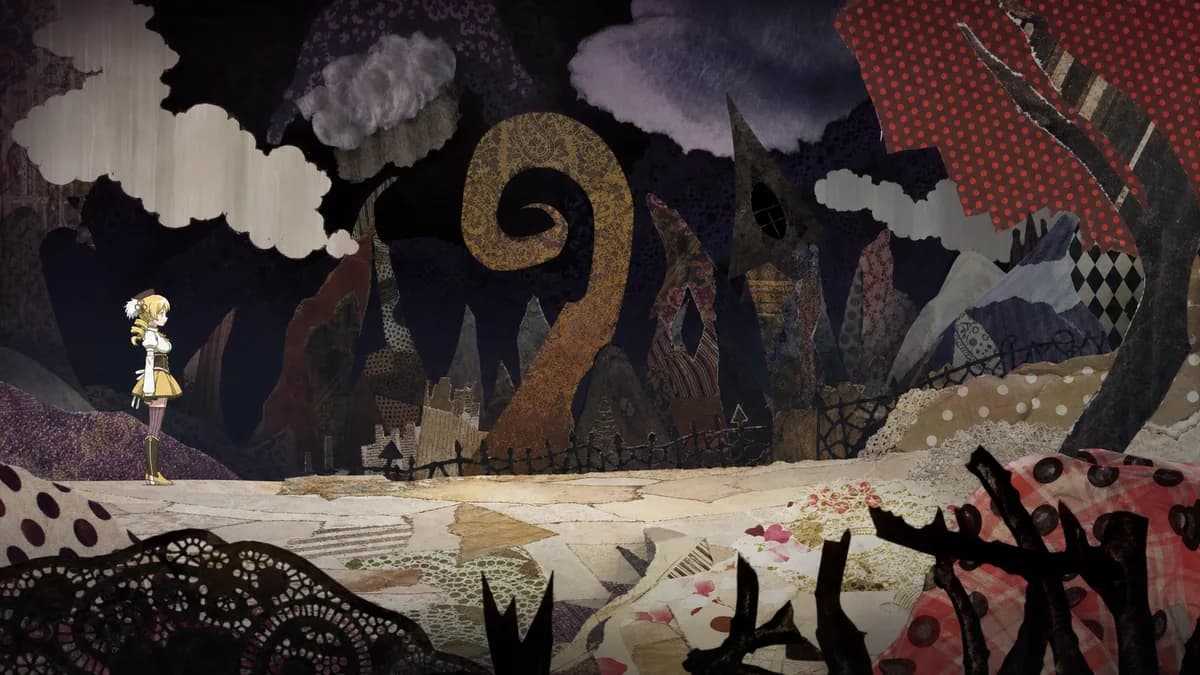
Viewers aged, and the anime industry followed them into late night. That move explains the darker turn much better than a claim that magical girl anime finally matured. Cardcaptor Sakura shows what the natural next step after the original template looked like. It did not reach for greater darkness. It refined the form, kept the sincerity, improved the craft and held the stakes at a deliberately human scale. A darker variation becomes possible once a series can assume that its audience already knows the language. Madoka presents a mascot, a contract and a costume with the confidence that viewers will recognize what those objects usually promise. It can then use that recognition against them. The effect depends on an audience raised on the genre's grammar, people who feel the rules bend before anyone explains what has changed. This is less like a genre acquiring a soul and much more like its viewers acquiring a second language. Watch both kinds of series with a child and the distinction becomes easy to see. One can land in full on its own terms. The other gives up much of its force because its force depends on recognition, and recognition requires prior experience. The charge was not newly discovered in the subject matter. It came from an older audience seeing a familiar arrangement turned against its expectations.
The Best Argument for a Genuine Break
There is a strong objection to this reading. After the wave of deconstructions, the genre's default assumptions really did flip. A straight-faced magical girl show now has to establish why its sincerity deserves trust. The cute mascot enters under suspicion and stays there until it proves it is not lying. Magical girl anime gained a permanent ironic layer, much as mecha did after Neon Genesis Evangelion. New viewers often arrive expecting a trap, and that expectation changes the meaning of an innocent costume or contract before the story has done anything with it. This structural shift came after the original, and the original itself does not contain it. All of that is true. The disagreement concerns who gets credit and for what. The flip changed how audiences read the genre, not what the genre had always been capable of holding. A deconstruction feeds on an existing sincerity because it cannot create the thing it needs to overturn. Madoka detonates only because Sailor Moon meant what it said. Sincere work made farther downstream can still succeed without apologizing for itself. Nobody watches Little Witch Academia while waiting for a hidden reveal, and the series has no need to provide one. Irony altered the audience's starting position, but it did not revoke the older mode or expose it as empty.
Where the Lineage Appears Today
The equipment eventually escaped magical girl anime altogether, which shows that it was functional design rather than decoration. My Hero Academia uses a color-coded ensemble in which costume becomes identity and fights turn on the person someone chooses to be. Its structure comes from sentai, while its emotional logic belongs to magical girl stories. Lycoris Recoil conceals a two-girl team and a mission format inside a workplace comedy. Yona of the Dawn gives its shoujo heroine a bow where another story might have supplied a wand. Revolutionary Girl Utena remains the most formally radical work produced by this lineage, and it unfolds like an argument written in the same source code. That connection feels less surprising once you know Kunihiko Ikuhara storyboarded a stack of the original's most striking installments. Sailor Moon itself did not stop. Sailor Moon Crystal offered an alternative retelling, and the Sailor Moon Eternal films carried the later chapters forward. These descendants share pieces of a storytelling machine that proved adaptable enough to travel, even when the stories around it look different. A genre supposedly killed by deconstruction does not continue producing heirs this healthy, nor does its basic kit keep turning up in stories that have moved well outside its old shelves.
FAQ
Start with Sailor Moon if you want to learn the grammar that every later show speaks. Choose Cardcaptor Sakura if you want to see that form at its most carefully made. Little Witch Academia offers the friendliest modern entry point. Madoka Magica is best saved until you know the rules it intends to bend. You can follow it without that background, but the earlier experience gives its choices extra force.