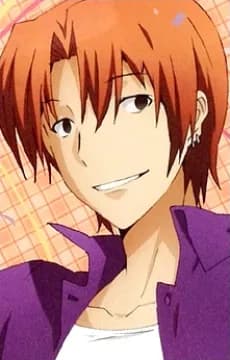
Ryunosuke Uryu
Fate/Zero universe
Ryunosuke Uryu makes an unsettling first impression because Fate/Zero asks the viewer to sit with his presence instead of smoothing it into a familiar kind of menace. The discomfort is part of the character's appeal, though appeal here does not mean likability. His scenes encourage a wary kind of attention: you notice how quickly your own expectations are doing the work, then have to decide whether the show has earned them. I would start with Fate/Zero, where that unease has room to register before later context changes its weight.
By Mika Tanabe
Appearance
Ryunosuke is presented with an individuality that resists the neat visual shorthand viewers often use to sort characters into safe, dangerous, comic, or tragic. His design works best when you let it remain a first impression rather than treating it as a code you can crack at a glance. The show gives his screen presence an edge that is difficult to file away, and that edge matters because it keeps the viewer alert to the difference between looking at someone and understanding them. There is pleasure in how decisively he stands apart, but the pleasure is uneasy. Nothing about that feeling asks you to admire him; it asks you to stay honest about what the image is making you feel.
Personality
Ryunosuke is difficult to watch comfortably, and that is a more useful starting point than trying to make him charming. The character puts pressure on the viewer's habit of searching for a reassuring explanation. You can feel yourself wanting a simple category, a clean motive, a line that tells you how to respond, and the show is more interesting when that impulse stays visible. He brings a volatile energy to the material, yet the scene does not become a contest to see who can sound most dramatic. The tension comes from watching a person whose presence unsettles your usual reading habits. That can be absorbing without becoming an endorsement. The distinction matters: fascination is a reaction the show can provoke, while sympathy is something it has to earn. Ryunosuke keeps those reactions separate, which makes his scenes stick in the mind for reasons that are not especially comfortable.
Ryunosuke Uryu’s Story
Spoiler-free introduction
Early on, Ryunosuke is best approached as a source of unease rather than a puzzle with an answer waiting just around the corner. Fate/Zero establishes a sharp contrast between the composure a viewer expects from a dramatic character and the unsettled feeling he creates on screen. I would avoid trying to decide too quickly whether that feeling is amusement, dread, or simple disbelief. The uncertainty is useful. It lets you experience the character in the moment, without borrowing conclusions from later material or confusing attention with approval. His early presence gives the series a particular kind of friction: scenes involving him can feel hard to settle into, and that resistance is part of how the character registers. Watch for your own response as much as for the performance. The first impression does not need to become a verdict; it can remain a question you carry forward.
Spoilers beyond the early story
With more of the story in view, Ryunosuke's discomfort becomes a test of how viewers interpret consistency. It is tempting to treat a strong first impression as a promise that the character will become easier to explain. The more rewarding reading is less tidy: the response he provokes continues to matter even when familiarity sets in. Familiarity can soften a reaction without resolving it, and that distinction gives the character staying power. On a second look, pay attention to how readily you supply meaning around him, and whether that meaning comes from what the scene gives you or from the labels you brought with you. Ryunosuke is not a character I would recommend as a comfort watch. He is more compelling as a deliberate source of tension, one that leaves the viewer responsible for noticing the difference between being drawn in and being persuaded.
Watch Ryunosuke Uryu’s Story
Fate/Zero is the place to begin with Ryunosuke because the character's effect depends on encountering him in the story's own rhythm. The series gives you time to form an immediate reaction, then leaves you room to reconsider what that reaction says about your expectations. Go in for that friction, not for an easy invitation to identify with him. Akira Ishida's Japanese performance and Johnny Yong Bosch's English performance give viewers two ways into the same uneasy presence. If you prefer English, Bosch is the voice to follow; if you watch Japanese audio, Ishida carries the role. Either way, Ryunosuke is a character best met with attention and a little patience for discomfort.
Start here: Fate/Zero (2011) — on Crunchyroll, Hulu, Netflix
- Fate/ZeroMain · 2011Crunchyroll, Hulu, Netflix
- Fate/Zero Season 2Supporting · 2012Crunchyroll, Hulu, Netflix
Questions
- Who voices Ryunosuke Uryu in English?
- Johnny Yong Bosch voices Ryunosuke Uryu in English. Akira Ishida performs the character in Japanese.
- When does Ryunosuke Uryu first appear?
- Ryunosuke Uryu first appears in Fate/Zero (2011). Start with that series to meet the character in the intended story order.
- Where can I watch Ryunosuke Uryu?
- Fate/Zero streams on Crunchyroll, Hulu, and Netflix. Fate/Zero Season 2 is also available on Crunchyroll, Hulu, and Netflix.
- Is Ryunosuke Uryu worth watching for?
- Yes, if you are interested in an unsettling presence that makes you examine your own reaction. His appeal comes from tension and discomfort, rather than easy identification.
- What is Ryunosuke Uryu's birthday?
- Ryunosuke Uryu's birthday is January 31. His blood type is B.