Why Shoujo Anime Still Matters
 By Mika Tanabe · Editor
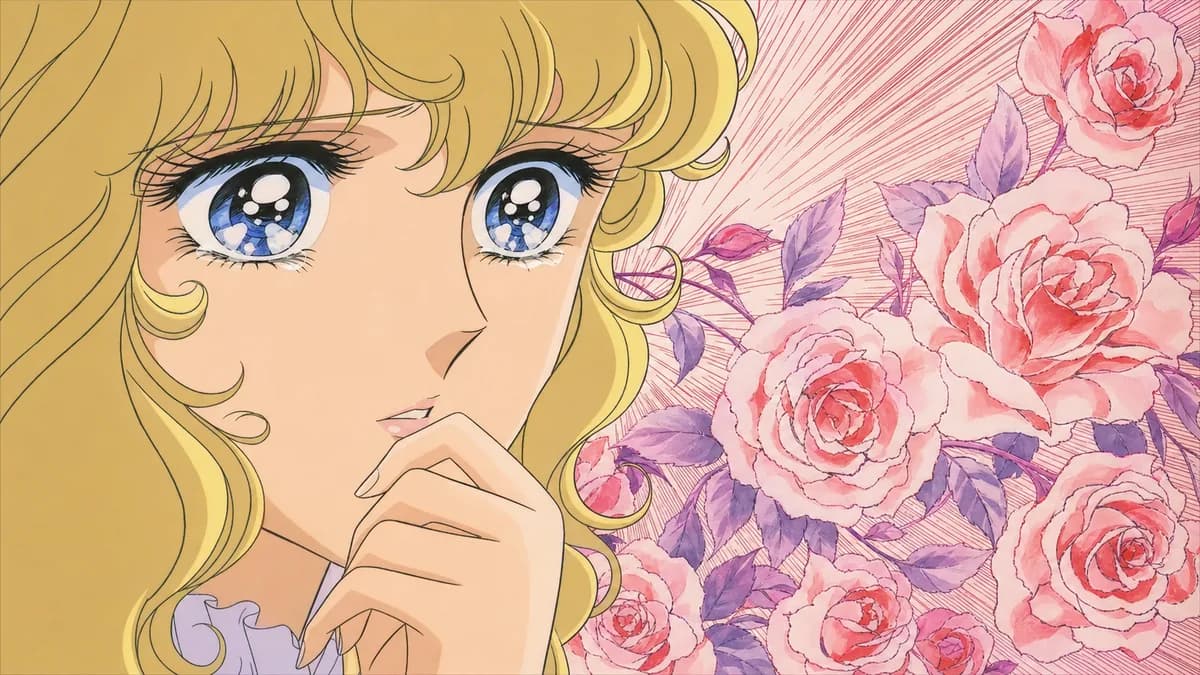
Shoujo is often filed under "romance for girls" and dismissed, an explanation about as useful as calling jazz "music with trumpets." The word did not describe the content. It identified the audience a magazine was sold to. Those magazines developed a distinct set of storytelling methods, especially for putting a character's inner life on screen. A glance can alter a relationship. A silence can carry the force of an argument. Cutting off your own hair can matter as much as a fight in another series. Those methods left the shoujo shelf a long time ago. They now operate inside shonen, seinen romcoms, and prestige films, often without being credited to their source. Shoujo still matters because so much anime uses what it built. Its finest work also reaches heights that few other parts of the medium can match.
Shoujo Names the Shelf, Not the Story
The most damaging misconception is also the easiest to clear up. Shoujo is a publishing demographic, just as shonen is. It tells you which magazine carried a series, not what kind of story happens inside it. Once that distinction is clear, the claim that shoujo amounts to confessions and sparkles cannot survive the actual catalogue. The Rose of Versailles is a political epic set around the French Revolution. Its heroine was raised as a palace guard, and its ending refuses to flinch. Banana Fish is a New York crime thriller concerned with gangs, exploitation, and damage that never fully heals. It still ran in a magazine for teenage girls. Natsume's Book of Friends follows a boy with an inherited book of names in a quiet supernatural drama about loneliness, with essentially no romance. Snow White with the Red Hair puts a working pharmacist at the centre of court politics. These four shoujo titles belong to four different genres. Treating the demographic label as a description of their content is a reading error, not a serious criticism.
How Shoujo Gives Inner Life Consequences
Subject matter does not define shoujo, but a storytelling method often does. The usual shonen engine is external. A character wants something, another person stands in the way, and their conflict escalates. Shoujo often places the engine inside the character instead. A private emotional state becomes an event in its own right, while the plot grows from the price of changing that state. Making this approach work required its own grammar. The camera stays on a face after a line has landed. The silence in a room becomes useful information. A misunderstanding can gather weight across several arcs instead of being cleared up in the same scene. Kimi ni Todoke may be the clearest demonstration. The whole series grows out of the distance between how a girl is perceived and who she really is, and it does not need a villain. Fruits Basket makes generational abuse the mechanism that drives its story, rather than leaving it in the background as a sad detail. A Sign of Affection chooses an especially difficult form of the same challenge. With a deaf heroine at the centre of its romance, the emotional burden has to travel without dialogue doing all the work.
The Craft Spread Far Beyond Shoujo
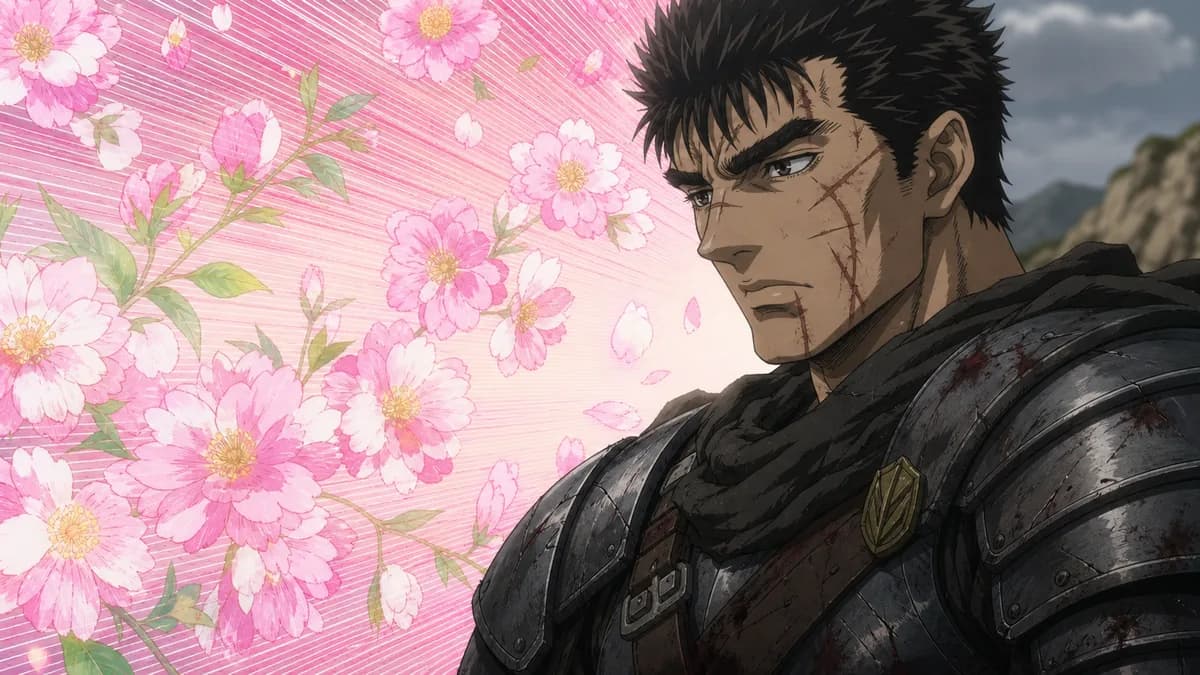
The influence becomes plain when you look at specific works. Sailor Moon joined the magical girl format to a team battle structure and created an enduring template. A generation of later shows either works within that template or pushes against it. Puella Magi Madoka Magica is built as an argument with those conventions, and its choices land because viewers already understand the rules it breaks. Shoujo's emotional grammar also appears throughout action anime. A flashback can change how the audience reads a fighter halfway through a battle. After the victory, a quiet breath can be allowed to linger. Sometimes the reaction shot advances the story further than the punch. Series that would never call themselves shoujo have borrowed those techniques outright. Studio Ghibli returned directly to the source several times. Whisper of the Heart and From Up on Poppy Hill both adapt shoujo manga, and both belong comfortably in the prestige canon. Yuri!!! on Ice is an original work, yet its instincts come from the same tradition. It stages intimacy through performance and uses feeling as part of the story's structure, applying shoujo methods to a sports series.
The Best Argument Against Shoujo's Importance
The strongest objection does not claim that shoujo is bad. It argues that the shelf really is crowded with interchangeable romances, while defenders keep reaching for exceptional titles such as Revolutionary Girl Utena, The Rose of Versailles, and Banana Fish. From this view, those works are cherry-picked outliers rather than fair representatives. The commercial category is also shrinking, while many works with the clearest shoujo sensibility now run in magazines aimed directly at men. Skip and Loafer, Kaguya-sama: Love Is War, My Dress-Up Darling, and Horimiya all support that case. Read this way, shoujo is being replaced rather than remaining important. There are two answers. Formula fills most shelves. Nobody uses the shonen battle mill or the flood of isekai to dismiss the best those categories can produce. A category should be judged by the quality it can reach and by what it has taught the rest of the medium, not by its average title. The movement of shoujo methods into other demographics also supports the argument for its importance. When a technique survives the marketing category that produced it, that technique has succeeded.
Its Best Work Outruns Its Reputation
Look at the best work on the shelf and its reputation quickly stops making sense. Revolutionary Girl Utena takes the fairy-tale promise familiar to every shoujo reader, in which a prince arrives and saves you, then subjects that promise to a structural interrogation. It uses ritual and repetition for work that other shows hand to exposition. Skip Beat! is powered by revenge and professional ambition. Romance remains a subplot that its heroine actively refuses to put first. Yona of the Dawn tells a war story about a deposed princess, with genuine political stakes and a lead who must learn to draw a bow before she is permitted to matter. Ouran High School Host Club makes fun of its own shelf from within. That parody works only because the series understands the shelf intimately. Nana will not provide tidy resolutions for its characters. Defenders do not need to apologise for these titles as strange exceptions. This is the work the category produces when viewers and critics approach it without condescension, and that is the fair standard by which to judge it.
Where Shoujo Lives Now, and Where to Begin
This history does not come with homework. The tradition is still producing work, and legal access is easy. Snow White with the Red Hair is the entry point I recommend most often. Bones animates its fantasy court drama, whose heroine earns her place in the room through her expertise as a pharmacist. Michiru Ooshima's score carries real emotional weight, and Saori Hayami performs the opening theme. The series streams on Crunchyroll and Hulu, with a second season ready for anyone who finishes the first. After that, the shelf opens in several directions. Chihayafuru offers competitive obsession. Kids on the Slope writes friendship with the give and take of a jazz session. Honey Lemon Soda represents the current school romance vein. Fruits Basket is there when you want difficult material treated with care, while Cardcaptor Sakura shows the craft at its most effortless. Heritage is not the reason to watch any of them. Watch because shoujo is where anime has repeatedly gone when feelings need to shape a story rather than decorate it.
FAQ
Shoujo is a publishing demographic, not a genre. The label means that a series originally appeared in a magazine aimed at young women. That is why the same shelf can contain political epics and crime thrillers alongside gentle supernatural dramas and romances.